 Home
Home Store
StoreBoykin Spaniel: State Dog of South Carolina
Oct
History of the Boykin Spaniel

The Boykin Spaniel has a very humble beginning. In the early 1900s in South Carolina, a stray, spaniel-type dog followed Alexander L. White from his home to church. The dog, which White named Dumpy, showed an aptitude for retrieving, so White took Dumpy to his good friend and hunting partner, “Whit” Boykin. Mr. White liked the little dog and brought it home. Boykin trained Dumpy to be an excellent turkey and waterfowl retriever.
Dumpy thus became the founding dog of the breed now called the Boykin Spaniel. Dumpy and his descendants were crossbred with hunting breeds such as the Chesapeake Bay Retriever, Springer Spaniel, Cocker Spaniel, and the American Water Spaniel. The resulting breed was named the Boykin Spaniel, one of only two dogs whose names include the name of its founding family. The other breed is the Plott Hound.
State Dog of South Carolina
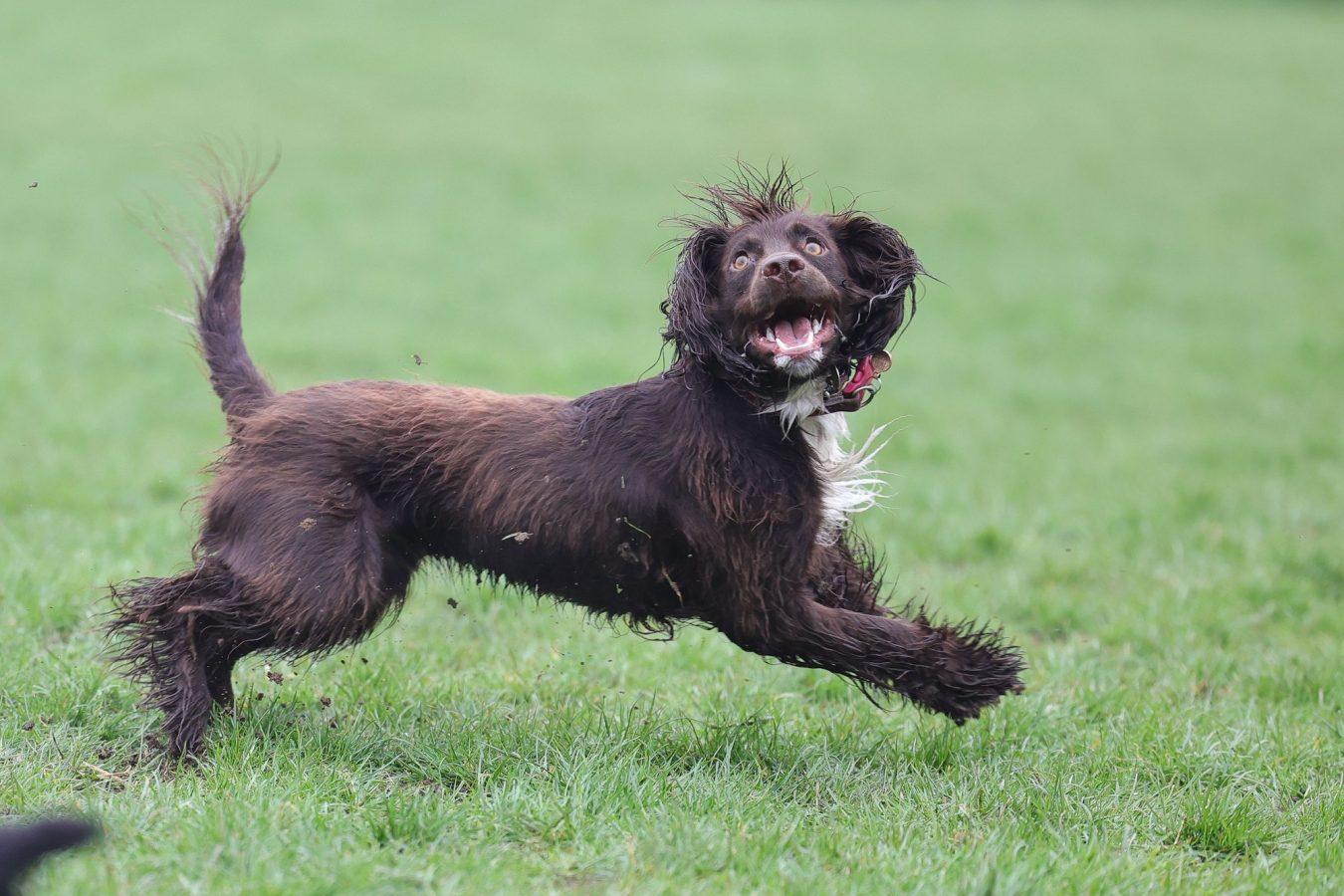
In 1985, the Boykin Spaniel became the state dog of South Carolina, where September 1 is now Boykin Spaniel Day. The Boykin gained full AKC recognition in 2009. The Boykin is a medium-sized dog about 18 inches tall and weighing around 25 to 40 pounds.
Appearance
Although the Boykin Spaniel is not significantly taller than the English Cocker Spaniel, it is generally heavier and more solidly built. If size is an important factor in a buyer’s choice of dog, they should research the size and weight of the puppy’s lineage before choosing a breeder.
The Boykin Spaniel’s tail is traditionally docked at around three days old, leaving approximately one-third of its original length. The breed is known for its bright, expressive eyes, which range in color from golden to dark amber. Puppies often have milky bluish-gold to amber eyes during their first few months. The coat comes in chocolate or liver, both shades of brown.
A Hunting Dog
The Boykin Spaniel is a multipurpose hunter that flushes birds into flight and retrieves prey. The Boykin’s hunting method does not involve pointing, yet many people mistake the natural “hesitant flush” for pointing. Three of the six or eight separate breeds that were combined to create the present breed are pointing breeds.
The field Boykin spaniel knows that to flush birds with absolute accuracy, she must wait until her hunter is set up for the shot. They are effective for hunting doves, pheasants, and other upland game due to their stamina in hot weather and eagerness. They can be used to track injured game or drive deer. They are known as “the dog that doesn’t rock the boat” because of their diminutive size, which makes them easy to transport in a canoe or other small boat.
As Family Pets
A friendly, affectionate, and outgoing dog, the Boykin Spaniel is widely regarded as a wonderful family pet and a loyal companion. This breed is known for its cheerful personality, steady temperament, and strong desire to be part of daily family life. Boykin Spaniels are eager to work, quick to learn, and generally simple to train, especially when lessons are consistent, positive, and rewarding. Because they are intelligent and responsive, they often enjoy activities that challenge both their minds and bodies, such as obedience training, retrieving games, scent work, and outdoor adventures.
Great With Kids
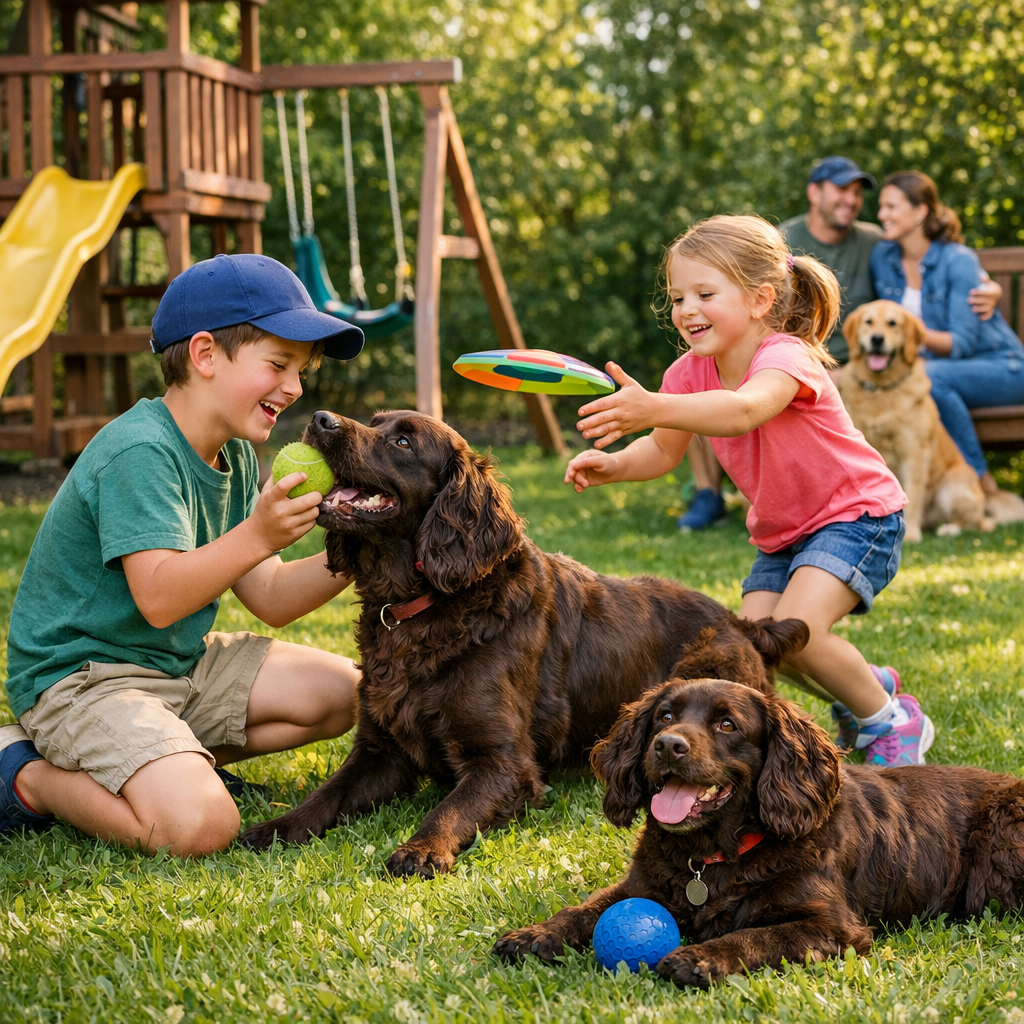
The Boykin Spaniel is typically excellent around children and usually gets along well with other dogs, particularly when properly socialized from a young age. Their gentle and playful nature makes them a good match for active households, and they often form close bonds with every family member. They are not usually harsh or overly sensitive dogs, but they do best when treated with kindness and included in family routines. Their willingness to please, combined with their polite and good-natured attitude, makes them pleasant companions in a variety of home environments.
This breed is also known for being highly resilient, spirited, and energetic. Originally developed as a hunting and retrieving dog, the Boykin Spaniel has plenty of stamina and enjoys having a job to do. They can adapt quickly to various surroundings, whether living in a suburban home, a rural setting, or an active family environment, as long as they receive enough social interaction, exercise, and mental stimulation. Daily walks, playtime, training sessions, and opportunities to run or retrieve can help them release extra energy in a healthy way.
Although they are adaptable and easygoing, Boykin Spaniels do crave attention and companionship. They are happiest when they are not left alone for long periods and when they are allowed to participate in household activities. With proper training, regular exercise, and plenty of affection, the Boykin Spaniel becomes a devoted, lively, and loving pet that brings warmth, enthusiasm, and companionship to the family.
Health Concerns
Boykin Spaniels are generally considered healthy, sturdy dogs, especially when they come from responsible breeding programs and receive regular veterinary care throughout their lives. Like all breeds, however, they can be prone to certain inherited or breed-associated health concerns.
Ethical breeders carefully screen their breeding stock for known problems such as hip dysplasia, juvenile cataracts, and exercise-induced collapse, often using recommended health tests before producing a litter. These precautions help reduce the risk of passing on genetic conditions and give puppies the best possible start in life.
Because Boykin Spaniels have hanging, floppy ears, their ears should be checked routinely for signs of irritation or infection. Moisture, wax, and debris can become trapped in the ear canal, especially in dogs that swim or spend a great deal of time outdoors.
Owners should look for redness, swelling, unpleasant odor, excessive scratching, head shaking, or dark discharge, as these may indicate an ear problem that requires veterinary attention. Cleaning should be done only as needed, since overcleaning can also irritate the ears. A veterinarian or the dog’s breeder can recommend a safe ear-cleaning solution, which can be applied with soft gauze or a cotton pad. Cotton swabs should not be pushed deep into the ear canal.
Dental care is another important part of keeping a Boykin Spaniel healthy. Their teeth should be brushed frequently with toothpaste formulated for dogs, since human toothpaste may contain ingredients that are unsafe for pets. Regular brushing, along with veterinary dental checkups, can help prevent plaque buildup, gum disease, bad breath, and tooth loss.
In addition to hip and eye concerns, the breed may be predisposed to inherited eye disorders, certain heart conditions, and patellar luxation, a condition in which the kneecap can slip out of place. Skin and coat problems may also occur and can sometimes be related to thyroid disease, other endocrine disorders, or allergies. Itching, hair loss, recurrent ear infections, hot spots, or changes in coat texture should be discussed with a veterinarian. With responsible breeding, routine examinations, proper grooming, good nutrition, and attentive care, many Boykin Spaniels live active, happy, and healthy lives.