 Home
Home Store
StoreAchondroplasia: What Is It?

Jun
Achondroplasia is a genetic condition that affects the way cartilage develops and is converted into bone, a process that is especially important during a dog’s growth. When this development is altered, it can result in dogs having legs that are disproportionately short relative to their body length and size. In dogs, this trait is often referred to as chondrodysplasia or dwarfism, and it may affect limb shape, overall height, and sometimes joint structure.
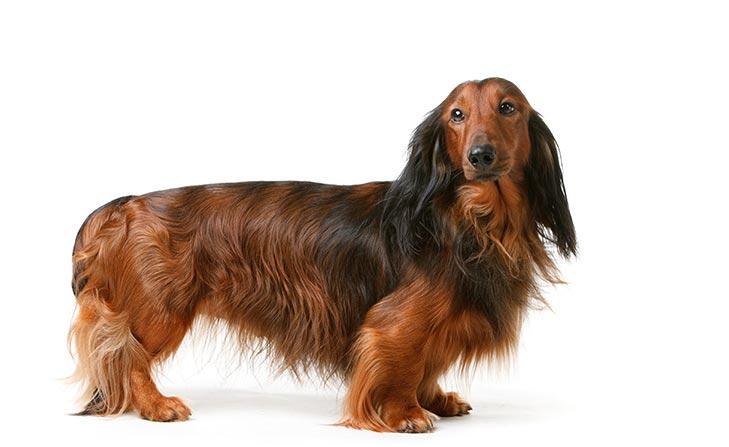
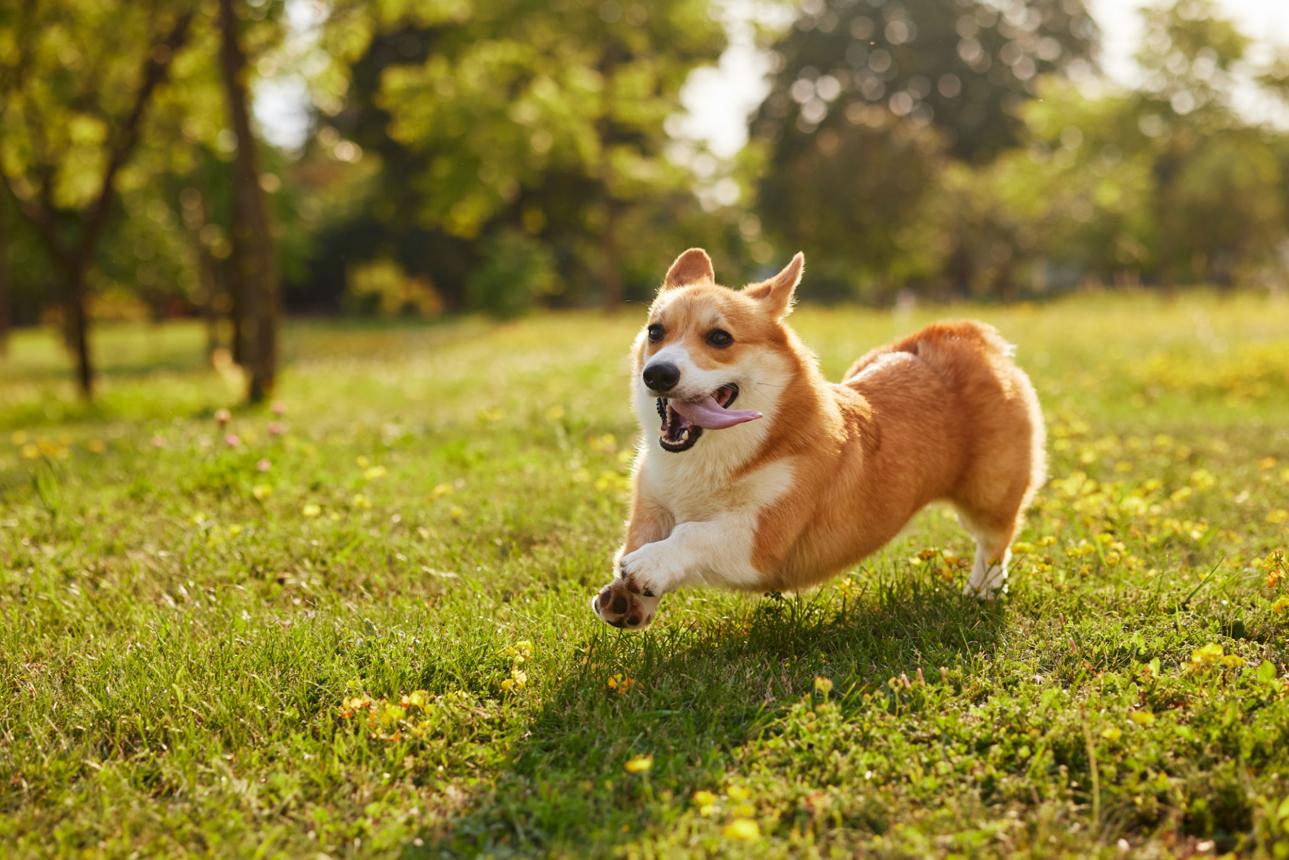
In certain breeds, short legs are not considered an Achondroplasia disorder but rather a normal and expected breed characteristic. Breeds such as Dachshunds, Corgis, Basset Hounds, and some terriers are well known for this distinctive body type, which has been selectively bred for generations. While chondrodysplasia can give these dogs their recognizable appearance, it may also be associated with specific health considerations, including increased stress on the spine and joints. Because of this, responsible breeding, regular veterinary care, and maintaining a healthy weight are important for supporting the long-term comfort and mobility of dogs with this trait.
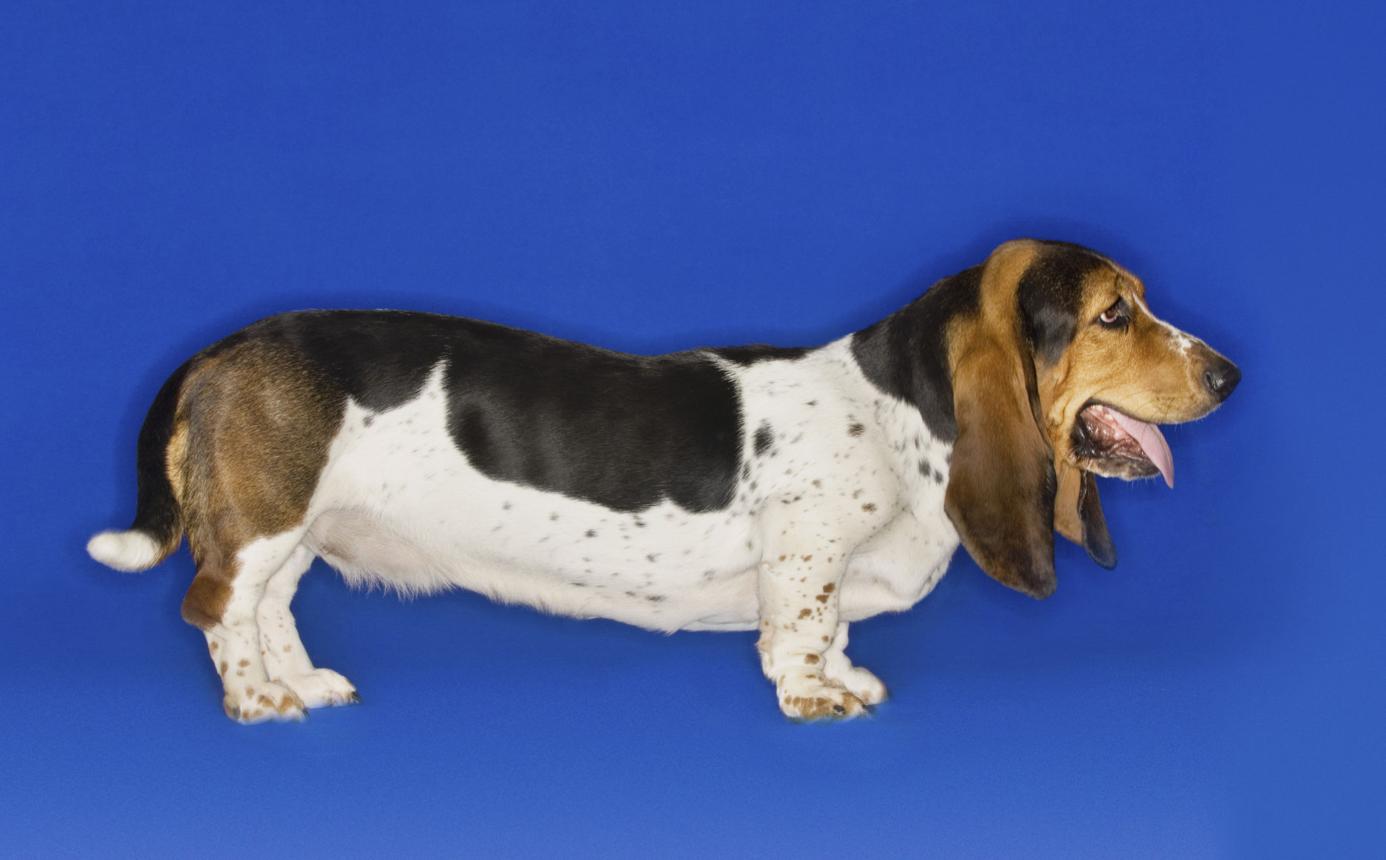
Breeds Commonly Associated with Achondroplasia
Several breeds were intentionally developed to have short legs:
- Dachshund
- Basset Hound
- Pembroke Welsh Corgi
- Cardigan Welsh Corgi
- Scottish Terrier
- Skye Terrier
- Dandie Dinmont Terrier
- Pekingese
These breeds carry genetic variants that produce the characteristic short-legged appearance of Achondroplasia.
Health Concerns
While many achondroplastic breeds can live happy, active, and generally healthy lives, their distinctive body structure—typically characterized by shorter limbs, a longer body, and altered bone growth—can increase the risk of certain health problems.
Because their joints, spine, and limbs may carry weight differently from those of non-achondroplastic breeds, they may be more prone to mobility issues, back strain, arthritis, and injuries from jumping or excessive impact. Regular veterinary checkups, healthy weight management, appropriate exercise, and careful attention to early signs of discomfort can help reduce these risks and support a better quality of life:
Intervertebral Disc Disease (IVDD)
Short-legged breeds, particularly the Dachshund, are prone to spinal disc problems. Signs include:
- Back pain
- Reluctance to jump
- Weakness in the hind legs
- Paralysis in severe cases
Joint Problems
The altered bone structure can contribute to:
- Arthritis
- Elbow abnormalities
- Angular limb deformities
- Reduced mobility with age
Obesity
Carrying extra weight places additional stress on the spine, hips, knees, and other joints, which can increase discomfort and make everyday movement more difficult. For this reason, maintaining a healthy weight is especially important, as it can help reduce pressure on the body, support better posture, improve mobility, and lower the risk of ongoing joint and back problems.
Achondroplasia vs. Pathological Dwarfism
Not all forms of dwarfism in dogs are considered normal. Some dogs develop dwarfism due to genetic disorders that cause:
- Severely shortened limbs
- Poor bone development
- Dental abnormalities
- Growth defects
- Other health complications
Examples include certain lines of German Shepherd and some toy breeds affected by inherited growth disorders.
Caring for an Achondroplasia Dog
To help these dogs stay healthy:
- Maintain a lean body condition.
- Use ramps instead of stairs when possible.
- Avoid excessive jumping from furniture.
- Provide regular, low-impact exercise.
- Monitor for signs of back pain or mobility issues.
- Schedule routine veterinary checkups.
For dog owners, one of the most important things to remember is that the short-legged build of breeds such as the Dachshund, Corgi, Basset Hound, and similar long-bodied dogs is not merely a cute or cosmetic feature—it has a direct effect on how their spines, hips, knees, and other joints function throughout their lives.
Because these dogs often have relatively long backs supported by shorter limbs, their bodies can be more vulnerable to strain, especially when they jump from furniture, climb too many stairs, become overweight, or engage in rough play that twists the spine.
Proper weight control is one of the most effective ways to protect these breeds. Even a small amount of extra weight can place added pressure on the back and joints, increasing the risk of pain, mobility issues, and serious orthopedic conditions such as intervertebral disc disease. A balanced diet, measured portions, regular veterinary checkups, and appropriate exercise can help keep them fit without overloading their bodies.
Injury prevention is equally important. Owners can reduce risk by using ramps or steps for beds and sofas, discouraging repeated jumping, supporting the dog’s body when lifting them, and choosing gentle, low-impact activities such as controlled walks rather than excessive running or leaping.
With thoughtful care, consistent weight management, and attention to safe movement, owners can significantly reduce the likelihood of serious orthopedic problems and help their short-legged dogs live healthier, more comfortable lives.