 Home
Home Store
StoreBichon
Mar
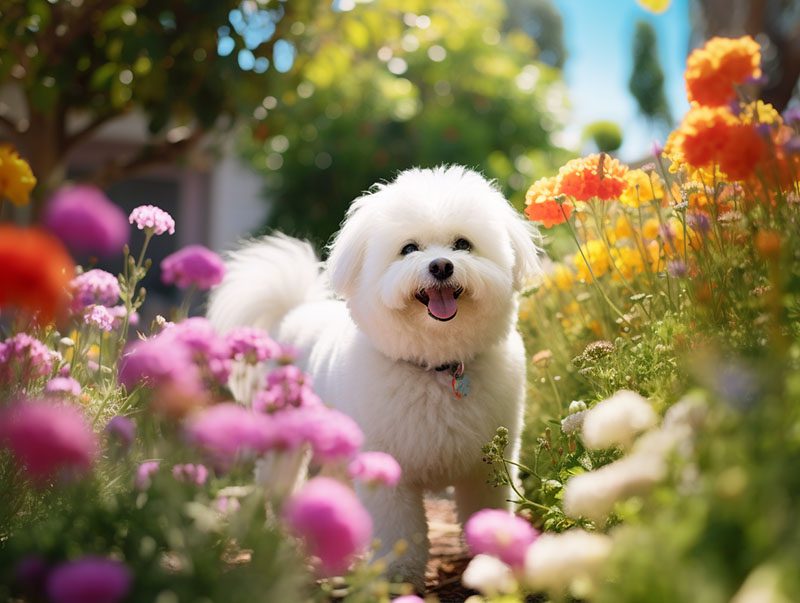
A bichon is a small, non-sporting companion dog known for its charming expression, soft coat, and cheerful personality. These little dogs often have long, curly or wavy white hair that beautifully frames their faces and makes their dark eyes and black noses stand out. Their bright, alert expression is one of the reasons many people find them so irresistible. Bichons are also widely appreciated for their low-shedding coats, which are often described as hypoallergenic. While no dog breed is completely allergy-proof, bichon-type dogs tend to produce less loose hair around the home, making them a popular choice for people who are sensitive to pet dander.
Coats of Bichon Dogs
Because of their coat type, bichons do require regular grooming to stay healthy and comfortable. Their hair can mat if it is not brushed frequently, especially around the ears, legs, and belly. Many owners keep their bichons in a shorter “puppy cut” for easier maintenance, while others prefer the fuller, rounded look often seen in the show ring. Regular baths, brushing, nail trimming, ear cleaning, and professional grooming appointments help keep these dogs looking their best. Their beautiful coats are part of their appeal, but they also require a commitment from the owner.
Bichon Personality
Beyond their appearance, bichons are best known for their peppy, people-oriented personalities. They are playful, affectionate, and eager to be included in family life. A bichon usually wants to be wherever its owner is, whether that means curling up on the couch, following someone from room to room, or greeting visitors at the door with enthusiasm. These dogs are affectionate and loyal companions that thrive on human interaction. They are generally friendly toward strangers and often get along well with other dogs and household pets when properly introduced.
The bichon’s lively personality makes it a delightful companion, but it also means the breed needs attention, engagement, and gentle structure. Bichons are intelligent and can learn quickly, especially when training is positive and consistent. They often respond well to praise, treats, and short, upbeat training sessions. Since they are sensitive dogs, harsh correction is usually not effective and can make them timid or stubborn. Early socialization is important, helping them grow into confident adults who are comfortable with different people, sounds, places, and experiences.
Bichon Dog Breeds
Several different breeds of dogs are considered part of the Bichon family, including the Bichon Frise, Bolognese, Havanese, Coton de Tulear, and Maltese. These breeds share a long history as companion dogs and were often favored by nobles, sailors, and families who valued their affectionate nature and manageable size. Though they are similar in many ways, each breed has its own history, coat texture, temperament, and care needs. Understanding these differences can help potential owners choose the bichon-type dog that best fits their lifestyle.
Bichon Frise
The Bichon Frise is perhaps the most familiar member of the group. It is known for its fluffy white coat, round head, and upbeat personality. This breed is playful, sociable, and often described as merry or clownish. Bichon Frises tend to enjoy being the center of attention and can do well in families, apartments, or homes with other pets. They are sturdy for their size and usually enjoy daily walks, games, and training activities. Their coat is soft and curly, requiring regular upkeep to prevent tangles and maintain the classic powder-puff appearance.
Bolognese
The Bolognese is another small white bichon-type breed, originating in Italy. It has a soft, fluffy coat that gives it a slightly tousled and elegant look. Bolognese dogs are often calm, devoted, and deeply attached to their people. While they can be playful, they are generally a bit more reserved than some other bichon breeds, especially around strangers. Their affectionate and gentle personality makes them wonderful companions for quiet households, seniors, or families who want a loving dog that does not require intense exercise.
Havanese
The Havanese is the national dog of Cuba and is known for its silky, flowing coat and cheerful attitude. Unlike some bichon breeds that are primarily white, the Havanese can come in many colors and patterns. This breed is especially loved for its adaptable nature. Havanese dogs are playful, trainable, and often excellent with children when treated gently and respectfully. They enjoy companionship and can become unhappy if left alone for long periods, so they are best suited to homes where someone can spend plenty of time with them.
Coton de Tulear
The Coton de Tulear, originally associated with Madagascar, is named for its soft, cotton-like coat. This breed is known for being sweet, amusing, and highly devoted to its family. Cotons often have a gentle but playful personality, making them enjoyable companions for both adults and children. Their coat has a unique texture that is usually easier to manage than it appears, though it still needs regular brushing. Cotons tend to be bright and eager to please, and many enjoy learning tricks, playing games, and participating in family routines.
Maltese
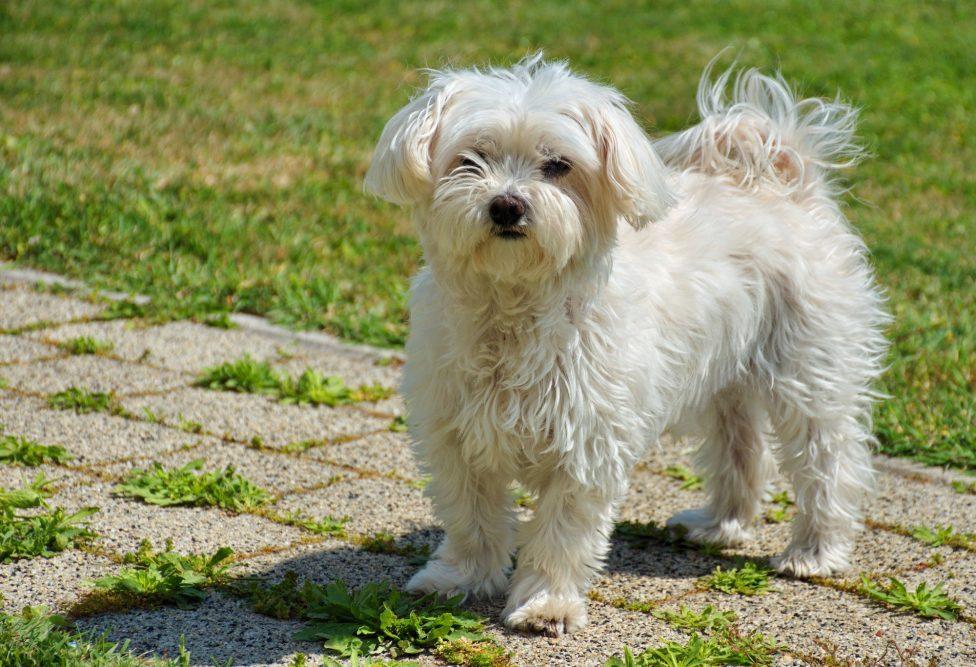
The Maltese is one of the oldest and most recognizable toy companion breeds. It is famous for its long, silky white coat, refined appearance, and affectionate nature. Although pet Maltese are often kept in a shorter trim for convenience, the breed’s traditional coat can grow long and straight, creating a graceful, elegant look. Maltese dogs are typically white, sometimes with slight lemon or tan shading on the ears. They are small but spirited, often acting bold and confident despite their delicate appearance. Like other bichon-type breeds, they form strong bonds with their owners and enjoy being pampered and included in daily life.
Conclusion
Regardless of the specific breed, bichons are beloved for their adorable appearance, lively personalities, and affectionate nature. They often make wonderful family pets and are well-suited for people of many ages, from families with children to seniors looking for a devoted companion. Their small size makes them suitable for apartment living, provided they receive enough attention, exercise, and mental stimulation. A daily walk, indoor playtime, and interactive toys can help keep them happy and healthy.
Potential owners should remember that bichons are companion dogs at heart. They do best when they are treated as part of the family and given regular affection and interaction. Some may develop separation anxiety if left alone too often, so gradual training and a predictable routine can be helpful. With proper care, grooming, training, and socialization, bichon breeds can bring years of joy, laughter, and companionship. Their combination of beauty, charm, intelligence, and devotion has made them treasured pets around the world.