
 Home
Home Store
StoreBiddable
Jun
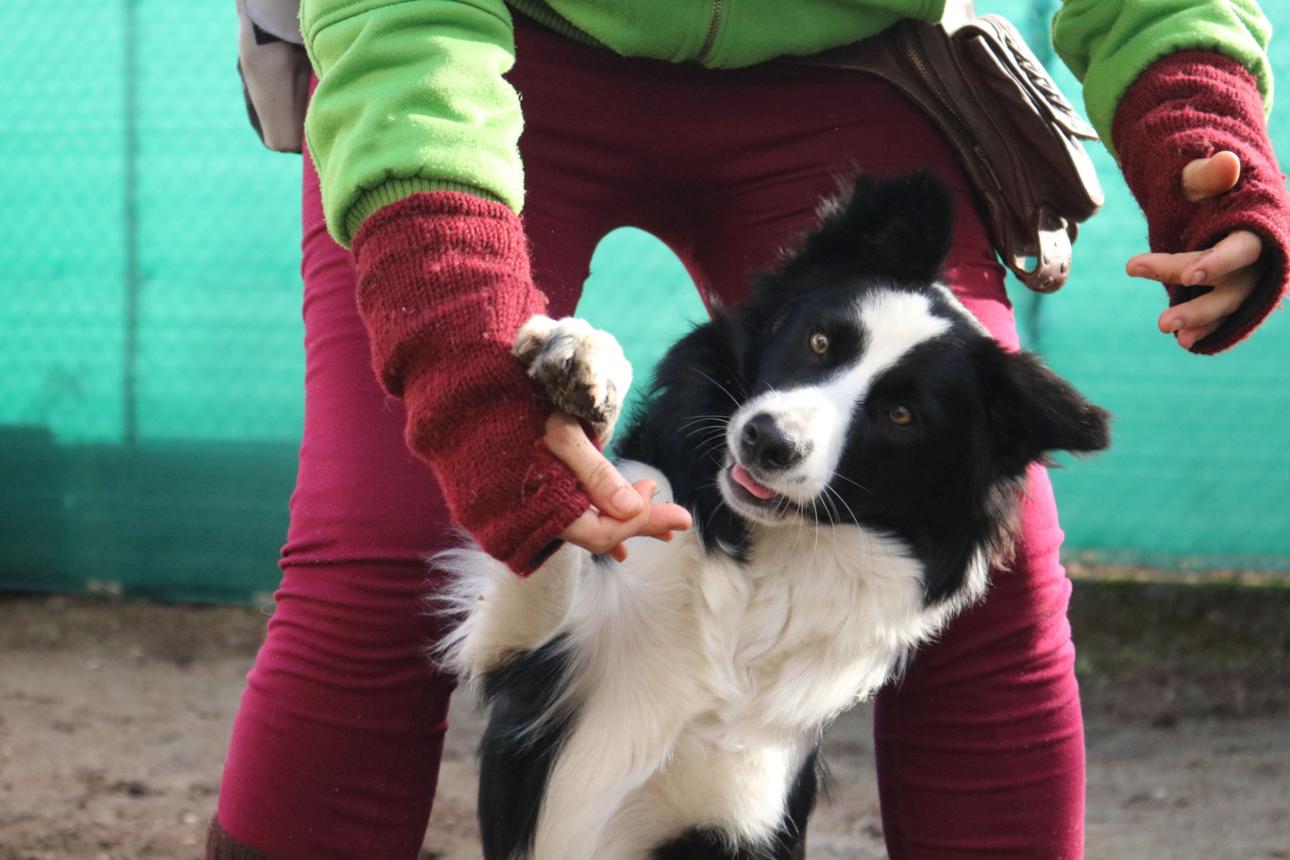
A biddable dog wants and is eager to please its trainer or companion. The term implies that the dog is more than just easy to train and that it actively tries to please its trainer by doing what it believes the trainer wants. German Shepherds, Border Collies, and Poodles are often described as “biddable.” Not surprisingly, these three dogs are also ranked among the smartest breeds in Stanley Coren ‘s book “The Intelligence of Dogs”.
When a dog is described as biddable, it means the dog is willing and eager to learn, follow instructions, and work cooperatively with its owner or handler. A biddable dog is typically attentive, responsive, and motivated to please, making training smoother and more enjoyable for both the dog and the person working with it.
This quality is often valued in activities such as obedience training, agility, herding, service work, and other tasks that require clear communication and teamwork. While biddability can be influenced by breed tendencies, it is also shaped by consistent training, positive reinforcement, patience, and a strong bond between the dog and its handler.
A biddable dog typically:
- Learns commands quickly
- Enjoys training sessions
- Pays attention to its handler
- Wants to please people
- Responds well to positive reinforcement
- Is generally easy to train compared to less biddable breeds
Examples of Highly Biddable Breeds
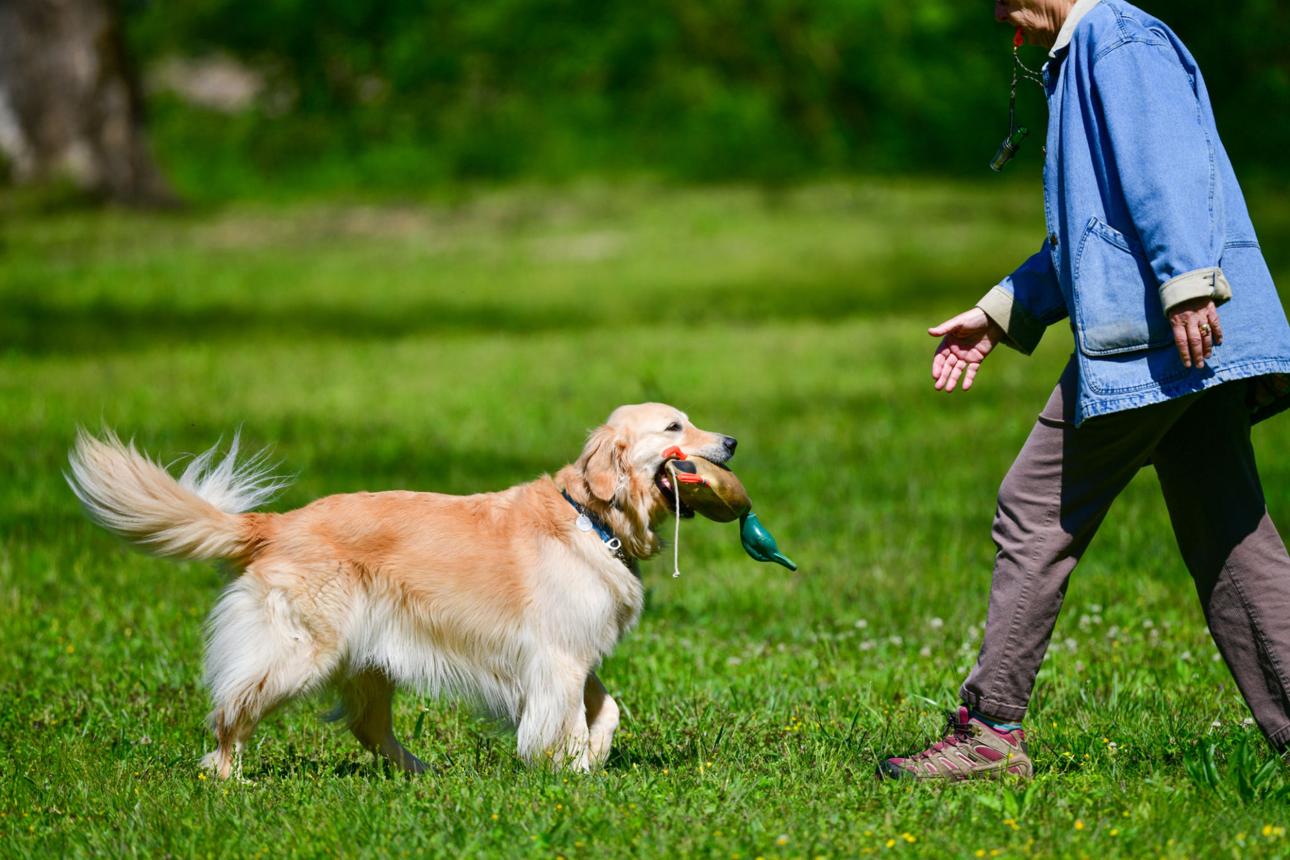

Some breeds known for being highly biddable include:
- Border Collie
- Golden Retriever
- Labrador Retriever
- German Shepherd
- Poodle
These breeds are often used in obedience competitions, service work, search-and-rescue, and other activities requiring close cooperation with humans.
Examples of Less Biddable Breeds
Being less biddable does not mean a dog is unintelligent or incapable of learning. In many cases, it simply means the dog has a more independent nature and is less inclined to follow commands automatically without considering the situation for itself. Many highly intelligent breeds are independent thinkers that were originally developed to solve problems on their own, make decisions without constant human direction, and rely on their instincts in challenging environments.
For these dogs, obedience may look different from that of a breed eager to please; they may understand what is being asked but choose whether it seems worthwhile or meaningful. Rather than viewing this as stubbornness or a lack of intelligence, it is better to recognize it as a sign of confidence, self-reliance, and strong problem-solving ability. With patient training, clear communication, consistency, and motivation that appeals to them, independent dogs can learn extremely well while still retaining their unique personality.
Examples include:
- Afghan Hound
- Basenji
- Shiba Inu
- Chow Chow
These breeds may be more stubborn, independent, or selective about when they choose to obey, often preferring to assess a situation before responding to commands. Rather than lacking intelligence, they may simply have strong personalities, high confidence, or instincts that encourage them to think and act on their own. As a result, training them may require extra patience, consistency, positive reinforcement, and an understanding approach that respects their unique temperament.
Simple Rule of Thumb
- High biddability: “Tell me what you want, and I’ll do my best.”
- Low biddability: “I heard you… But let me decide if that’s a good idea.”
For dog owners, choosing a highly biddable breed is often a more manageable option, especially for first-time owners who are still learning how to communicate with and train a dog. Biddable dogs tend to be eager to please, responsive to commands, and more willing to cooperate during training sessions, which can make basic obedience, house manners, and daily routines easier to establish.
In contrast, less biddable breeds are not necessarily difficult or unfriendly, but they may be more independent, strong-willed, or easily distracted. These dogs often require greater patience, consistent boundaries, positive reinforcement, and a deeper understanding of canine behavior. Owners with more training experience may be better prepared to guide such breeds successfully and build a strong, respectful bond over time.