 Home
Home Store
StoreCollie Eye Anomaly
Mar
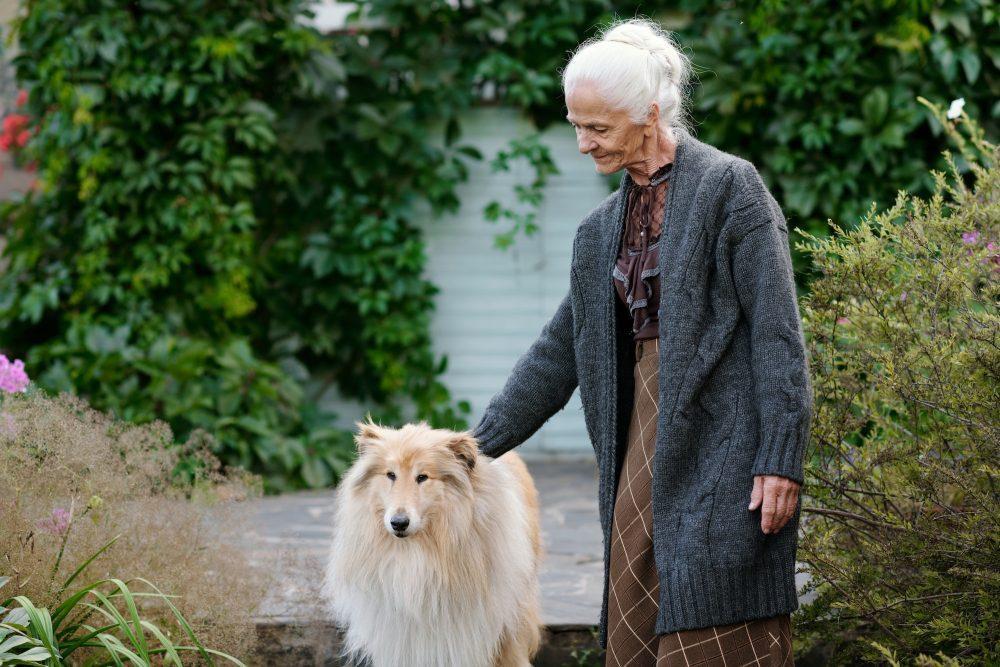
Collie Eye Anomaly (CEA) is an inherited, congenital eye condition that primarily affects herding breeds, most notably Rough and Smooth Collies, Border Collies, Shetland Sheepdogs, and Australian Shepherds.
It is caused by a genetic mutation (specifically a deletion in the NHEJ1 gene) that disrupts how the back of the eye forms while a puppy is still in the womb.
What Actually Happens to the Eye?
The main issue with Collie Eye Anomaly is abnormal development of the choroid, the vital layer of tissue filled with blood vessels beneath the retina. In a healthy eye, the choroid provides necessary oxygen and nutrients to the retina (the light-sensitive lining responsible for vision).
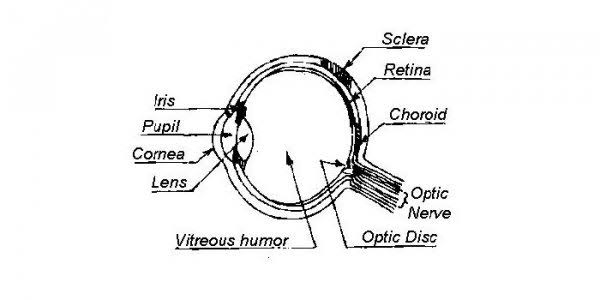
When a dog inherits CEA, it can manifest in several different stages or degrees of severity:
- Choroidal Hypoplasia: This is the most common and mildest form, seen in nearly all affected dogs. The choroid layer is thin, underdeveloped, and pale. Because the blood vessels are scarce, it can create mild blind spots, though many dogs live completely normal lives with full vision.
- Coloboma: A more severe manifestation in which a “pit,” pocket, or hole forms in the structures at the back of the eye, often directly on or adjacent to the optic nerve head.
- Retinal Detachment: Because the underlying structural layers are poorly formed or uneven, the retina can tear away from the back of the eye. If a large part of the retina detaches, it causes sudden, permanent blindness in that eye.
- Intraocular Hemorrhage: Malformed, weak blood vessels can rupture, causing bleeding inside the eye.
Symptoms to Look For
One of the trickiest things about Collie Eye Anomaly is that it is not progressive. Whatever structural defects a puppy is born with will remain static throughout their adult life; their eyes won’t dynamically worsen over time.
Because many cases are mild, a dog might show zero outward symptoms, and you would never know they have it without a specialized eye exam. However, in moderate to severe cases, you may notice:
- Visual impairments: Bumping into furniture, misjudging distances, or acting hesitantly on stairs.
- Physical traits: Noticeably smaller eyeballs (microphthalmia) or eyes that look deeply sunken into the sockets.
- Sudden behavior changes: A dog suddenly becoming anxious in new surroundings or refusing to go outside, which often indicates retinal detachment, potentially leading to blindness.
How It Is Diagnosed & Screened
Veterinary ophthalmologists look directly into the back of the eye (the fundus) while the puppy’s pupils are dilated.
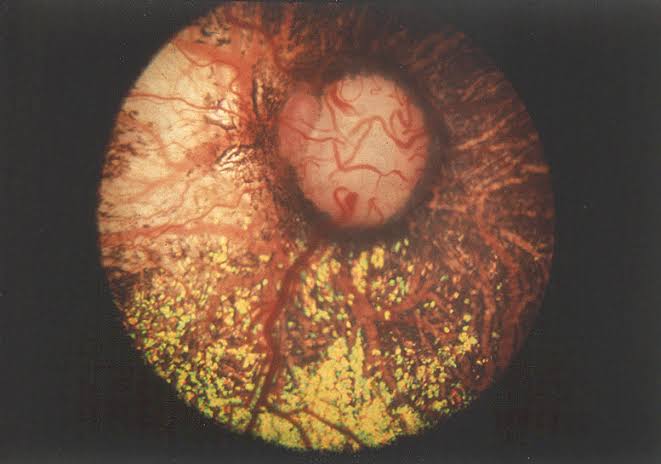
The Diagnostic Window: Ideally, puppies should be screened by a specialist between 6 and 12 weeks of age. As a dog matures, normal eye pigmentation can develop over the pale, thinning patches of choroidal hypoplasia, effectively hiding the defect from view. This masking phenomenon is known as “go normal,” meaning an adult dog can look healthy on an exam but still structurally carry and pass on the disease.
Is There a Cure?
Unfortunately, there is no treatment or cure that can reverse the underlying structural defects associated with Collie Eye Anomaly, because the condition develops while the eye is forming before birth.
Once these abnormalities are present, medication or surgery cannot restore the affected tissues to normal. For many dogs, however, the condition remains mild and may cause little to no noticeable vision loss, so ongoing monitoring by a veterinarian or veterinary ophthalmologist is often the most important part of care.
In rare, severe cases caught very early, a veterinary surgeon might attempt laser surgery or another specialized procedure to help secure a partially detached retina and reduce the risk of further vision loss, but this is uncommon and not always possible. Treatment is generally focused on managing complications, protecting any remaining vision, and helping the dog adapt safely to its environment. Regular eye examinations, careful observation for changes in sight, and responsible breeding practices are especially important for reducing the impact of Collie Eye Anomaly over time.
BecauseCollie Eye Anomaly is an autosomal recessive trait (meaning a puppy must inherit a copy of the mutated gene from both parents to show symptoms), the focus is entirely on prevention. Responsible breeders use highly accurate DNA health panels to identify genetic carriers ($N/CEA$) and clear dogs ($N/N$) to avoid pairing two carriers.