
 Home
Home Store
StoreEar Cropping
Mar
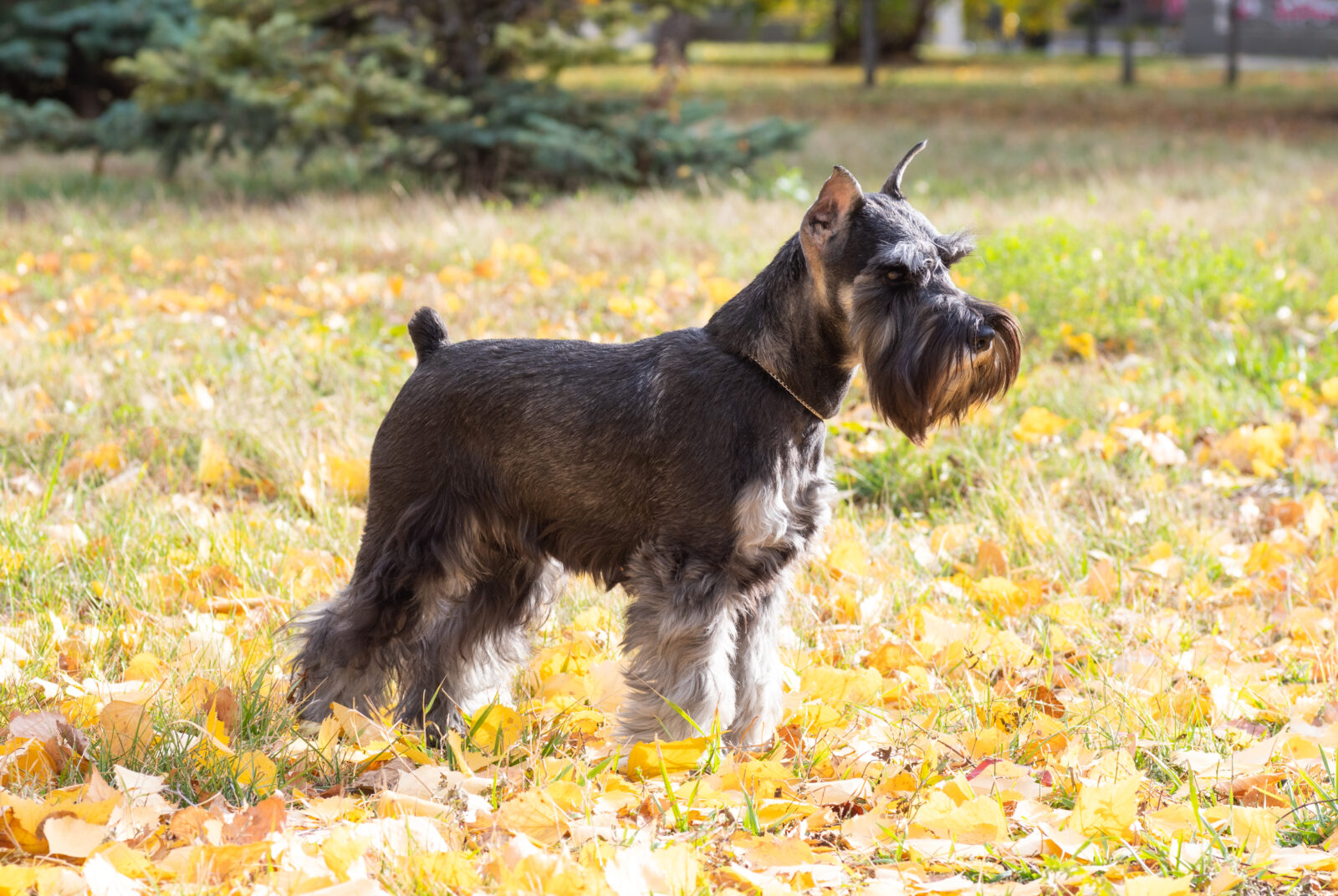
Ear cropping is a surgical procedure in which a dog’s ears are trimmed and shaped for aesthetic or practical reasons. Some of the pros of ear cropping include reducing the risk of ear injuries in working dogs,
such as animal herders, co-hunters, or protectors. It can also give certain dog breeds a more natural or fiercer look.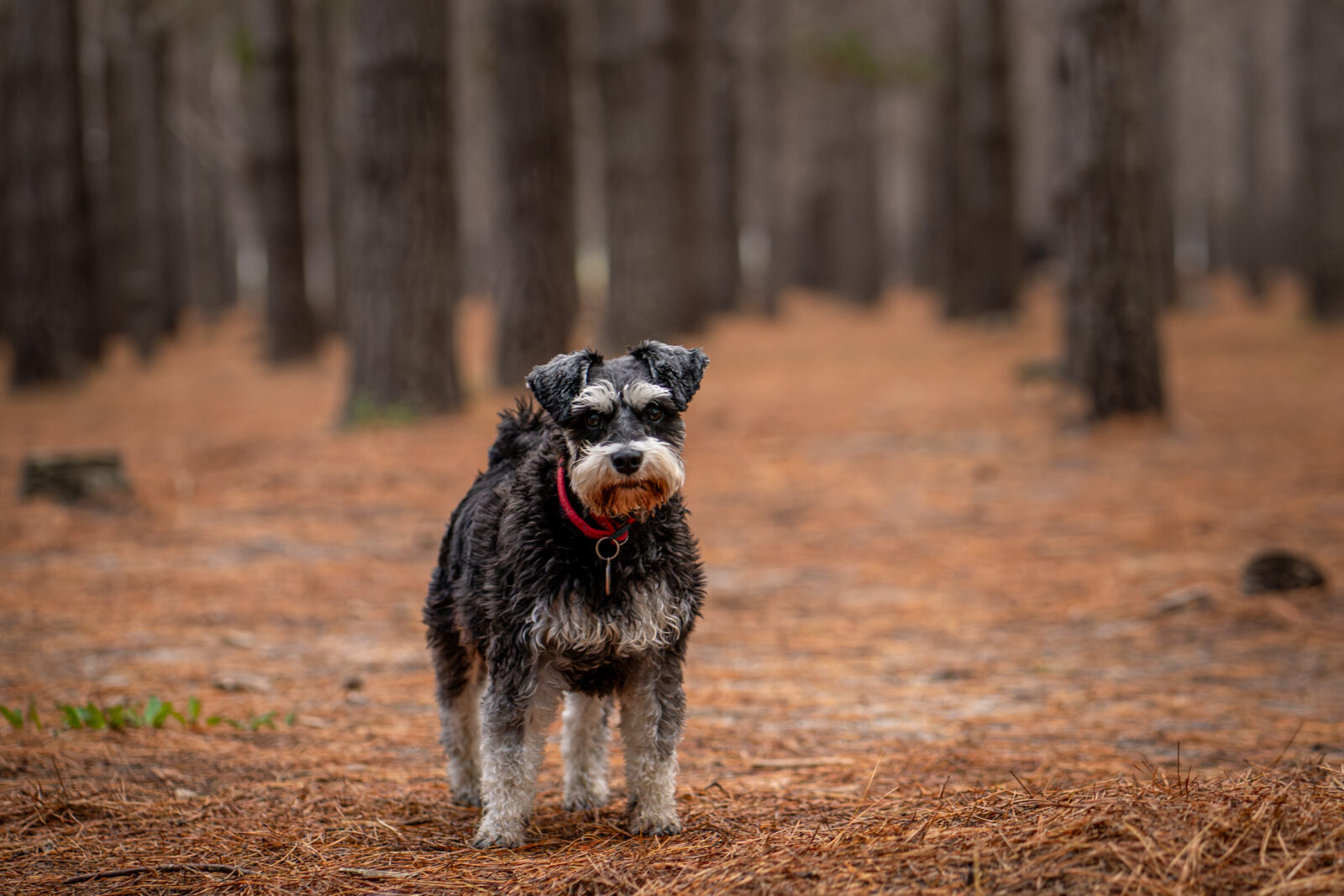
However, ear cropping is a controversial practice with several drawbacks
It is a painful and invasive surgery that carries the risk of complications such as infection, bleeding, and adverse reactions to anesthesia. Ear cropping also has no medical benefits and can lead to chronic pain and discomfort in some dogs. In addition, ear cropping is illegal or highly regulated in some countries, and breed standards are changing to discourage the practice.
Ear Cropping Traditional in Some Breeds
Several dog breeds have traditionally been associated with cropped ears, including the Doberman Pinscher, Great Dane, Boxer, Schnauzer, Cane Corso, American Pit Bull Terrier, and Miniature Pinscher. Historically, ear cropping was often performed for practical reasons, such as the belief that it helped protect working dogs from ear injuries while guarding, hunting, or herding. Over time, however, the practice became more closely tied to appearance and breed presentation than to medical necessity.
Today, it is important to note that ear cropping is becoming less common and is no longer required for breed standards in many cases. Many kennel clubs and breed organizations now allow dogs with natural ears to compete and be shown successfully. In addition, attitudes toward the procedure have changed, with many veterinarians and animal welfare groups discouraging cosmetic ear cropping unless there is a legitimate medical reason. Laws and regulations also vary by country, state, or region, so owners should always research local rules and consult a licensed veterinarian before considering any procedure. For many modern dog owners, leaving a dog’s ears natural is increasingly viewed as a healthy, humane, and accepted choice.
Some dog breeds may have naturally erect or semi-erect ears without any need for cropping. Breeds such as the Australian Cattle Dog and the Pharaoh Hound are good examples of dogs whose ears often stand upright as part of their natural appearance. Other breeds may also develop pricked ears as they mature, depending on genetics, ear thickness, cartilage strength, and individual growth patterns. In these cases, the upright ear shape is not the result of a surgical procedure but simply a normal feature of the breed.
Ear cropping, by contrast, is a cosmetic surgical procedure that changes the natural shape of a dog’s ears. It has historically been associated with certain working, guarding, and show breeds, including the Doberman Pinscher, Great Dane, Boxer, and American Pit Bull Terrier. While some owners prefer the traditional look of cropped ears, the practice remains controversial because it involves surgery, healing time, and aftercare. In many places, ear cropping is restricted or banned unless there is a clear medical reason for the procedure.
As with any decision regarding a dog’s health, comfort, and appearance, it is important to research and consider all options carefully before deciding on ear cropping. Owners should speak with a licensed veterinarian, learn about local laws, understand the possible risks, and consider the dog’s overall welfare. If ear cropping is performed, it should only be done by a qualified veterinary professional using proper anesthesia, pain management, sterile technique, and follow-up care. For many dogs, leaving the ears natural is a healthy and attractive option that allows them to retain their original expression and breed character.