
 Home
Home Store
StoreAustralian Cattle Dog: An Amazing Herding Dog
Oct
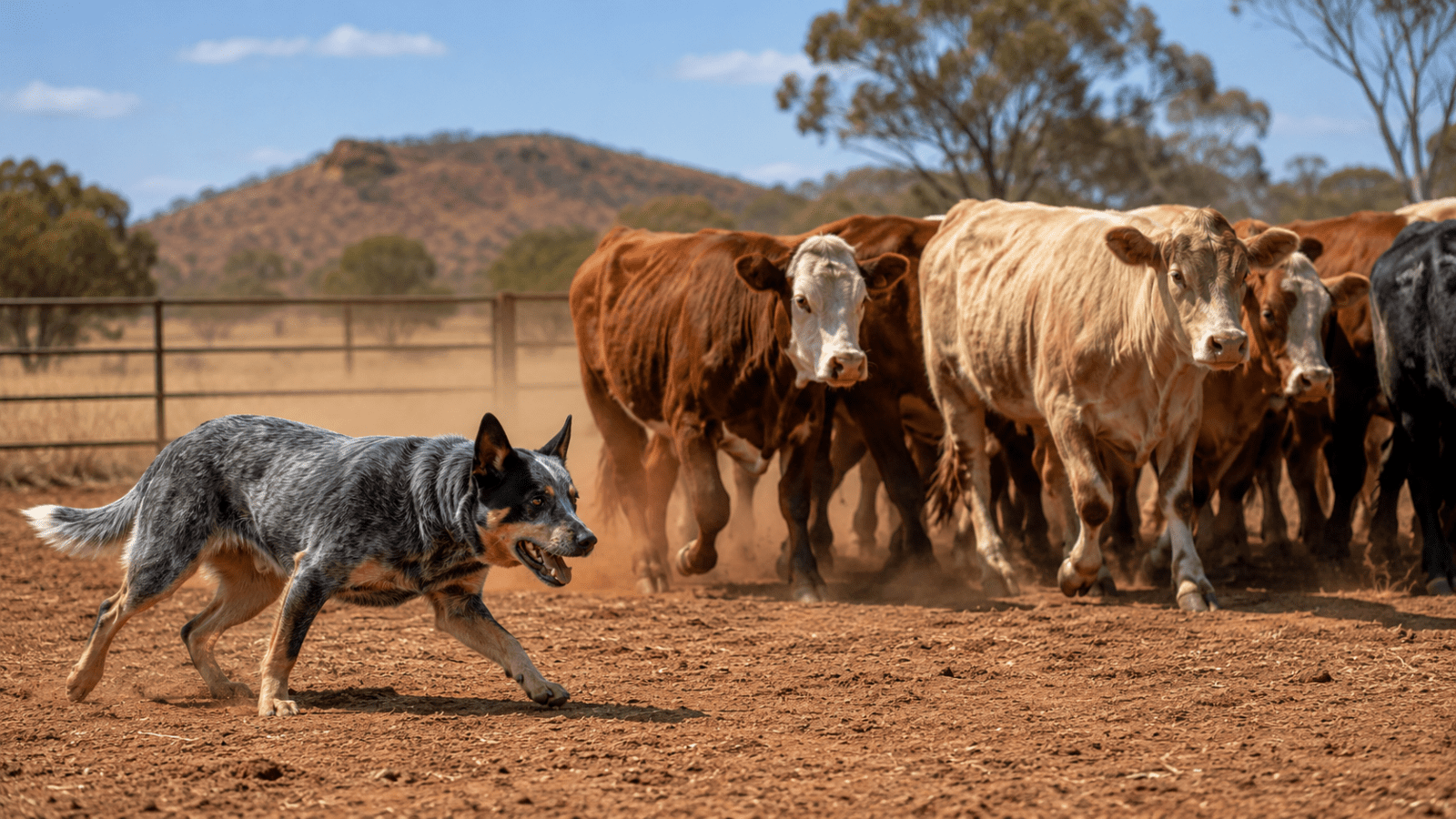
The Australian Cattle Dog, also known as Blue Heeler or Red Heeler, is a hardy and independent herding dog, depending on its color. It can herd cattle over long distances and on rough terrain. It has a medium build that helps balance the speed and agility needed to control cattle. For over 200 years, these dogs have worked as herding dogs. They are still in use throughout Australia and other parts of the world.
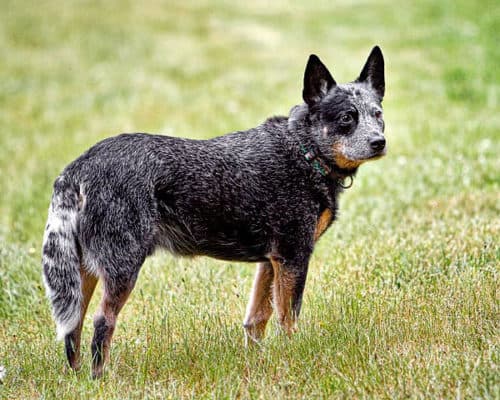
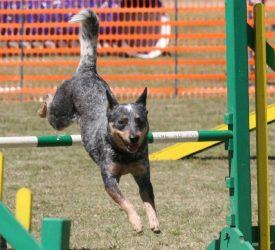
Australian Cattle Dogs are highly energetic and need regular activity, structure, and a clear purpose to keep themselves happy, healthy, and out of trouble. Bred to herd cattle over long distances in demanding conditions, this intelligent and hardworking breed thrives when given plenty of exercise and mental stimulation. Daily walks are helpful, but they are often not enough on their own. Australian Cattle Dogs usually do best with active owners who can provide games, training sessions, hiking, running, agility, obedience work, or other activities that challenge both their bodies and minds.
They are playful, loyal, and affectionate with their families, and they can be safe and enjoyable companions for children, especially when raised with them and properly trained. However, because of their strong herding instincts, they may sometimes try to nip at heels or control movement during play, so supervision and early guidance are important. With consistent training, they can learn appropriate behavior and become dependable family dogs.
While Australian Cattle Dogs may tolerate other household pets, they often do best when introduced carefully and socialized from a young age. They are naturally cautious around strange people and unfamiliar dogs, which can make them reserved in new situations. This alert and watchful nature also makes the Australian Cattle Dog an excellent watchdog and devoted family protector. In a home that maintains an active, outdoor lifestyle and provides firm but positive leadership, this breed can become a loyal, energetic, and deeply rewarding companion.
Brief History Of The Australian Cattle Dog
These dogs became essential partners for ranchers, seamlessly navigating rough terrains and assisting in herding large herds. Their vibrant energy and keen intelligence enabled them to learn commands quickly, making them highly trainable. As urbanization increased, Australian Cattle Dogs transitioned from purely working roles to beloved family pets while still retaining their strong herding instincts. Today, they excel in various canine sports and activities, showcasing their versatility and dedication. Their unique combination of traits continues to make them a popular choice for both work and companionship.
They needed a dog that was sturdy, energetic, and intelligent. The dog also had to control cattle without barking. Barking could cause the cattle herd to become frightened and more uncontrollable.
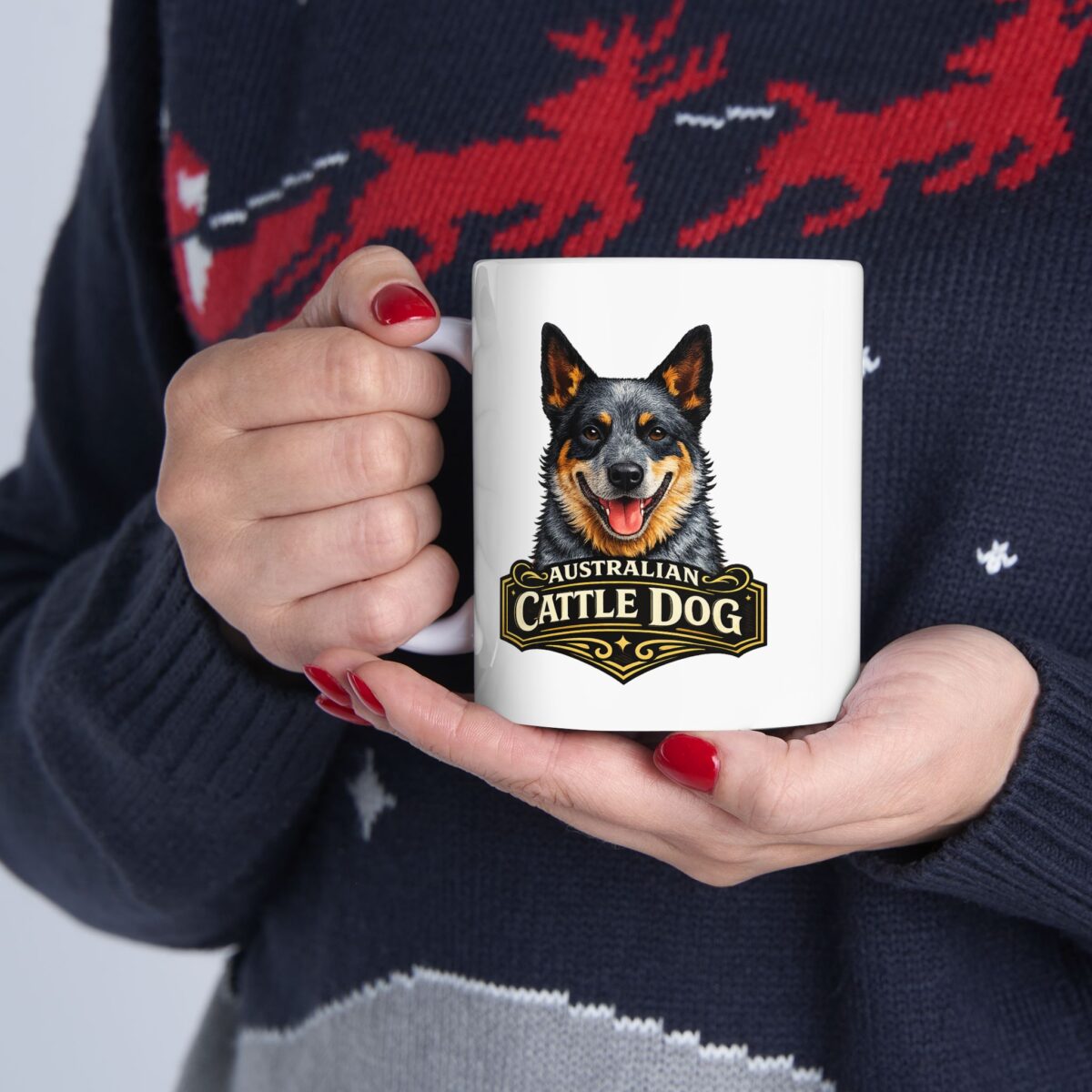
Australian Cattle Dog Mug (11oz/15oz)
Size Height (Inches) Diameter (Inches) 11oz 3.74 3.15 15oz 4.61 3.43 A bright, glossy ceramic mug that brings a touch of handcrafted charm to everyday routines. The artwork wraps neatly around the white surface, letting vivid inks pop against the clean background. It feels sturdy in the hand, thanks to a comfortable C-shaped handle and a weighty ceramic body that withstands daily use. Heat- and color-safe, this mug transitions easily from morning coffee to reheated soup and…
Thomas Hall began breeding such a dog to meet the demanding needs of cattle work in the harsh Australian landscape. At the time, stockmen required a dog that was not only intelligent and obedient but also tough enough to handle heat, rough terrain, and long distances while moving cattle across large properties. By the 1840s, Hall had succeeded in producing a capable working dog that was strong, alert, and well-suited to the job. This developing breed became known as “Hall’s Heelers,” a name that reflected both its creator and its natural tendency to nip at cattle’s heels to keep them moving.
Hall’s Heelers quickly earned a reputation for stamina, courage, and dependability. As their usefulness became more widely recognized, other breeders began refining the line further. They crossed Hall’s Heelers with breeds such as the Bull Terrier, the Black and Tan Kelpie, and the Dalmatian. Each of these breeds contributed desirable qualities, including determination, herding instinct, endurance, and a steadier temperament around horses and people. Over time, these careful crosses helped shape the foundation of the hardworking cattle dog known today for its loyalty, intelligence, and tireless energy.
The result was a breed known as the Queensland Blue Terrier. Later, the name changed to the Australian Heeler and the Australian Cattle Dog. In 1980, the AKC recognized this breed, and it was a charter member of the Herding Group established in 1983.
The female Australian Cattle Dog is approximately 17–19 inches tall, and the male is about 18–20 inches. They have a relatively rectangular build and should be longer than tall. The length of its body should be greater than the height at the withers. An Australian Cattle Dog weighs around 40–55 pounds.
The Australian Cattle Dog needs a lot of physical activity. Like other herding dogs, the Cattle Dog may find something to do on its own, which may not be what you want it to do.
A walk on a leash is good, but it needs more than an occasional stroll. Individual dogs have their own needs, but as a breed, the Australian Cattle Dog is capable of any activity that calls for athletic ability, intelligence, and endurance.
Taking Care of the Australian Cattle Dog
The Australian Cattle dog is one breed that must have daily exercise and lots of it3. They work tirelessly, and a few brisk walks on the leash are generally not enough. Instead, they need to run and play vigorous games. The Australian Cattle Dog will be a happy family member with intellectual challenges and obedience training.
These dogs tolerate moderately cool and hot temperatures and can live outside if necessary. However, they like to be inside with the rest of the family at night. A natural-born guard dog will protect the family from intruders.
Grooming requires weekly brushing to remove dead hair, prevent loose fur from accumulating, and keep the coat looking clean and healthy. Regular brushing also supports healthy skin by distributing natural oils throughout the fur and gives you a chance to check for tangles, dirt, or any unusual skin concerns. An occasional bath is recommended, especially when the coat becomes dirty or develops an odor, using a gentle, pet-safe shampoo to maintain overall cleanliness and comfort.
Health Concerns
The average lifespan of the Australian Cattle Dog is typically between 12 and 16 years, making it a relatively long-lived breed compared with many other medium-sized dogs. With proper care, regular veterinary checkups, a balanced diet, and plenty of exercise, many Australian Cattle Dogs remain healthy, alert, and active well into their senior years. This breed is known for its strength, stamina, and working-dog energy, so maintaining an active lifestyle is especially important for both physical and mental well-being.
In terms of size, the Australian Cattle Dog generally stands between 17 and 20 inches tall at the shoulder and usually weighs around 33 to 49 pounds. These dogs are compact, muscular, and athletic, with a sturdy build that reflects their history as hardworking herding dogs. Even as they age, many retain their enthusiasm for play, training, and outdoor activities. Providing regular exercise, mental stimulation, and preventive health care can help support a long, comfortable, and fulfilling life for this intelligent and energetic breed.
The breed’s major health concerns include eye problems, deafness, and hip dysplasia, all of which can affect an Australian Cattle Dog’s comfort, mobility, and overall quality of life. Because this breed is active, intelligent, and highly energetic, early detection of health issues is especially important to help them remain sound and capable throughout their lives. Veterinarians commonly recommend that Australian Cattle Dogs undergo specific health testing for hearing, vision, hips, and elbows before breeding and as part of responsible long-term care. Hearing evaluations can help identify congenital deafness, while regular eye examinations may detect inherited or age-related conditions. Hip and elbow screenings are also valuable for identifying joint abnormalities that could lead to pain, stiffness, or reduced activity as the dog matures.
Is an Australian Cattle Dog a good family dog?
Australian Cattle Dogs can make good family dogs, but they require early socialization, training, and plenty of exercise. They are energetic, active dogs that thrive on a job and may become destructive if they are not given enough physical and mental stimulation.
Are Australian Cattle Dogs aggressive?
Australian Cattle Dogs can be aggressive towards other dogs, especially if they are not appropriately socialized from a young age. However, they are not typically aggressive towards humans and can be affectionate with their families.
How did the Australian Cattle Dog originate?
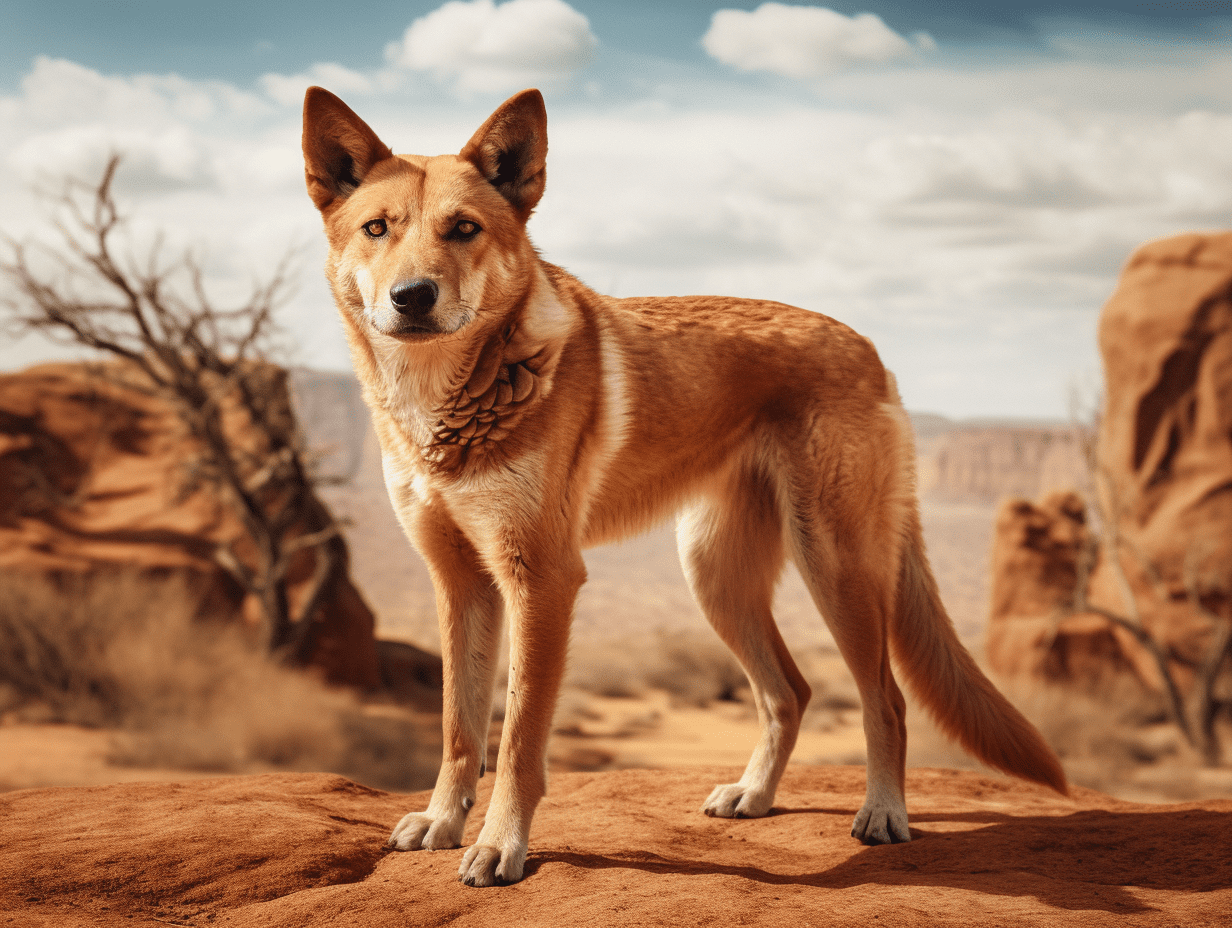
The Australian Cattle Dog, also known as the Blue Heeler or Queensland Heeler, originated in Australia in the 19th century. It was developed by crossing British herding dogs with native Australian Dingoes to create a breed that could withstand the harsh Australian climate and terrain while retaining the herding instincts and intelligence necessary to work with cattle.
Are Australian Cattle Dogs part Dingo?
Australian Cattle Dogs were developed by crossing British herding dogs with native Australian Dingoes, so they have some Dingo ancestry.
Are Australian Cattle Dogs easy to train?
Australian Cattle Dogs are intelligent and trainable, but can also be stubborn and independent-minded. They respond best to positive reinforcement training methods, and early socialization and training are essential for preventing behavioral issues.
Although the Australian Cattle Dog has never been as common in Hollywood as breeds like the German Shepherd or Labrador Retriever, it has appeared in several well-known films and television productions.
Some of the best-known examples include:
- Dog in Mad Max 2 (released as The Road Warrior in the U.S.) – One of the most famous cattle dogs on screen is Max’s loyal companion. The dog was a rescued Australian Cattle Dog (or a very close mix) that became an iconic part of the film, riding alongside Max in the post-apocalyptic wasteland.
- Bluey – While not a movie, the enormously popular Bluey features an Australian Cattle Dog family. Bluey, Bingo, Bandit, and Chili are all Blue Heelers, and the show has introduced millions of viewers worldwide to the breed.
- Red Dog – The title character is primarily portrayed as a red Australian Kelpie, though some viewers note traits similar to those of Australian Cattle Dogs, as the breeds share a working-dog heritage. The film is generally not considered an Australian Cattle Dog movie.
Why aren’t they seen more often?
Australian Cattle Dogs are incredibly intelligent, athletic, and independent. While those traits make them outstanding working dogs, they can also make them more challenging to train for film work than breeds traditionally favored by movie studios, such as:
- Border Collie
- Golden Retriever
- Labrador Retriever
Film productions often choose dogs that are highly food-motivated, eager to repeat behaviors on cue, and comfortable with crowds, lights, and multiple takes.
Notable television appearances
Australian Cattle Dogs also appear periodically in:
- Australian television dramas set on cattle stations or ranches.
- Commercials highlighting rugged outdoor lifestyles.
- Documentaries about livestock handling and Australian ranching.
Because of their striking blue- or red-speckled coats and intense expressions, they’re often cast when filmmakers want an authentic Australian working dog.