 Home
Home Store
StoreBloat: Gastric Dilatation Volvulus
Aug
What Is Bloat?
Bloat is a common term used as a synonym for gastric torsion. Due to an abundance of gas, the stomach in dogs swells and rotates. Bloat is a life-threatening condition. You should get immediate veterinary assistance if you suspect your dog is affected. The most crucial element in a good prognosis is immediate treatment. Negative prognostic factors include a treatment delay of more than 6 hours.
Bloat is a serious, potentially life-threatening condition in dogs where the stomach fills with gas, food, or fluid and becomes abnormally enlarged. Veterinarians call it gastric dilatation. In some cases, the stomach also twists on itself, creating an even more dangerous condition called Gastric Dilatation-Volvulus (GDV).
Breeds in danger of Bloat

Why Is Bloat Dangerous?
When the stomach expands, it can:
- Put pressure on major blood vessels
- Reduce blood flow to vital organs
- Make breathing difficult
- Cause shock
If the stomach twists, a condition known as gastric dilatation-volvulus (GDV), the blood supply to the stomach can be severely reduced or completely cut off. As the stomach fills with gas and rotates, pressure builds quickly, affecting nearby organs and major blood vessels. This can lead to shock, tissue damage, and life-threatening complications in a very short time. Without immediate emergency veterinary treatment, GDV can become fatal within just a few hours, making rapid recognition and urgent care absolutely essential.
Signs of Bloat
Watch for:
- A swollen or distended abdomen
- Repeated attempts to vomit with little or nothing produced
- Excessive drooling
- Restlessness or pacing
- Signs of pain or discomfort
- Rapid breathing
- Pale gums
- Weakness or collapse
A classic and important warning sign of bloat in dogs is repeated, unproductive retching—when a dog keeps trying to vomit but brings up little or nothing. This may be accompanied by restlessness, drooling, a swollen or tight-looking abdomen, discomfort, or signs of distress. Because bloat can become life-threatening very quickly, this symptom should be treated as an emergency and evaluated by a veterinarian right away.
Dogs Most at Risk
Large and giant deep-chested breeds are at the highest risk, including:
- Great Dane
- German Shepherd
- Irish Setter
- Weimaraner
- Standard Poodle
However, bloat can occur in dogs of any breed.
Possible Risk Factors
Researchers believe several factors may increase risk:
- Eating one large meal per day
- Eating very quickly
- Vigorous exercise immediately before or after meals
- Stress or anxiety
- Having a close relative who experienced bloat
- Increasing age
Prevention Tips
- Feed two or more smaller meals daily.
- Use slow-feeder bowls if your dog gulps food.
- Avoid strenuous exercise for about an hour before and after meals.
- Discuss preventive surgery (gastropexy) with your veterinarian if you own a high-risk breed.
Emergency Situation
If you suspect bloat, treat it as a veterinary emergency. Do not wait to see if the symptoms improve on their own, and do not try to manage the condition at home. Bloat, especially when associated with gastric dilatation-volvulus (GDV), can progress very quickly and may become life-threatening within a short period of time. Signs can include a swollen or tight abdomen, repeated unproductive retching, excessive drooling, restlessness, weakness, pale gums, or signs of pain and distress. Even if the symptoms seem mild at first, immediate veterinary care is essential. Contact your veterinarian or an emergency animal hospital right away and follow their instructions. Rapid diagnosis and treatment can make the difference between life and death.
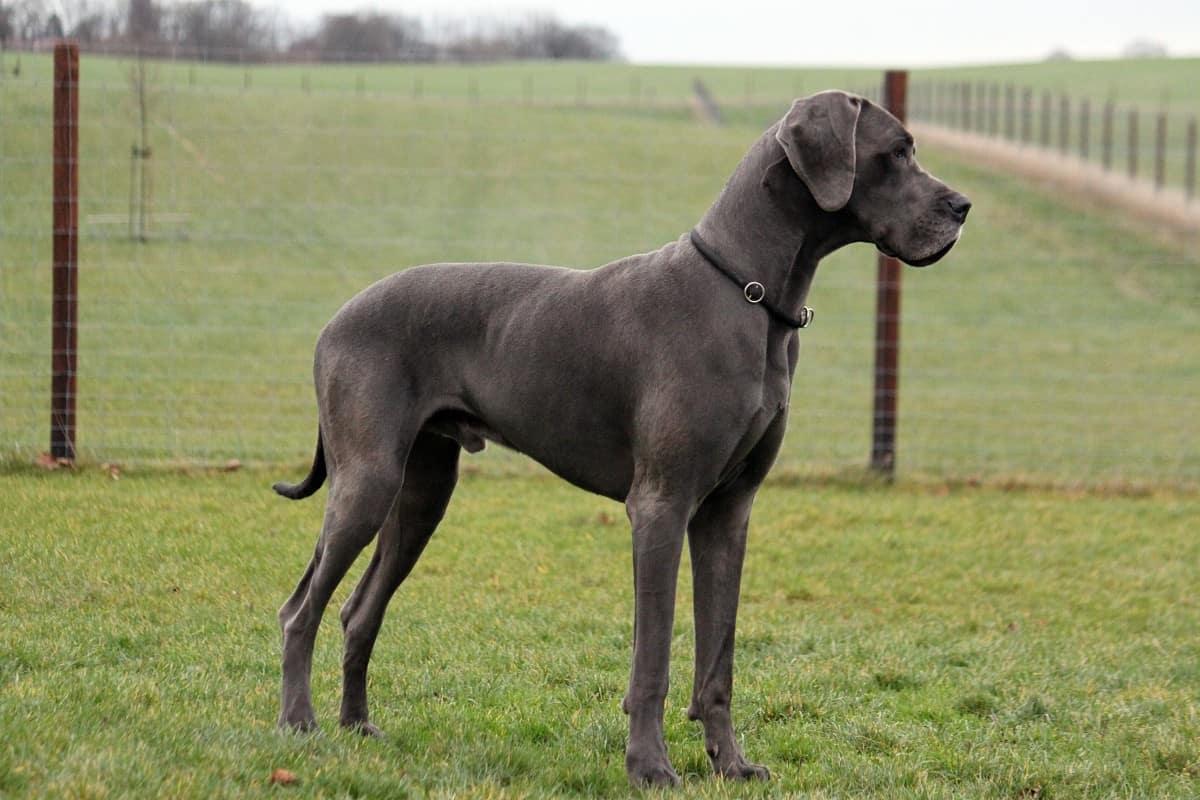
For breeds such as the Great Dane, gastric dilatation-volvulus (GDV), commonly known as bloat, is one of the most serious and potentially life-threatening health emergencies owners should be aware of throughout the dog’s life. Because deep-chested breeds are especially prone to this condition, Great Dane owners should understand the warning signs, including a swollen abdomen, restlessness, repeated unproductive retching, excessive drooling, weakness, or signs of pain. GDV can progress rapidly and requires immediate veterinary attention, so recognizing the risk and acting quickly can make a critical difference in the dog’s outcome.