
 Home
Home Store
StoreCoursing
Aug
What Is Coursing?
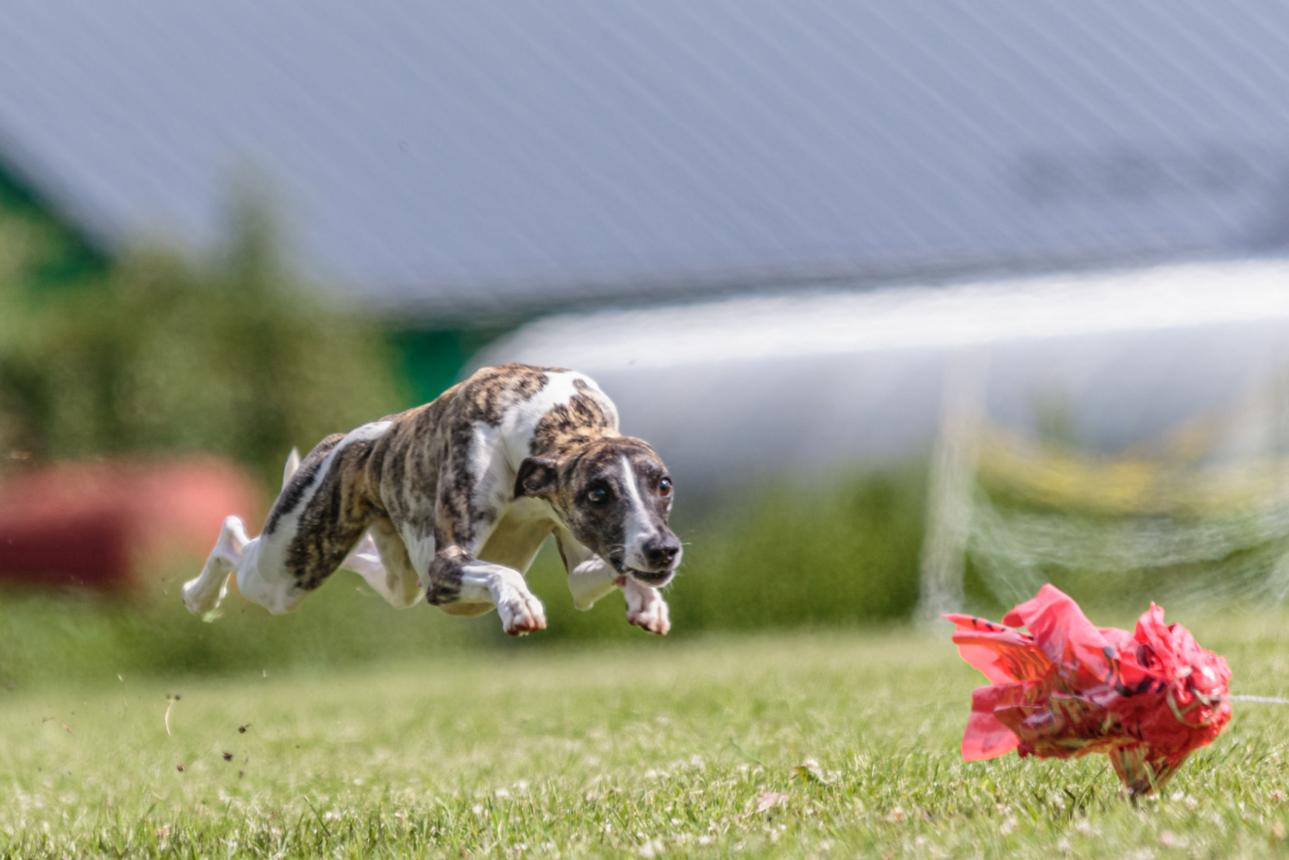
Coursing is a dog sport and hunting method in which dogs pursue a moving target by sight rather than by scent. Traditionally, coursing involved dogs chasing wild game such as hares across open ground. Today, most enthusiasts participate in lure coursing, where dogs chase a mechanically operated artificial lure.
How Coursing Works
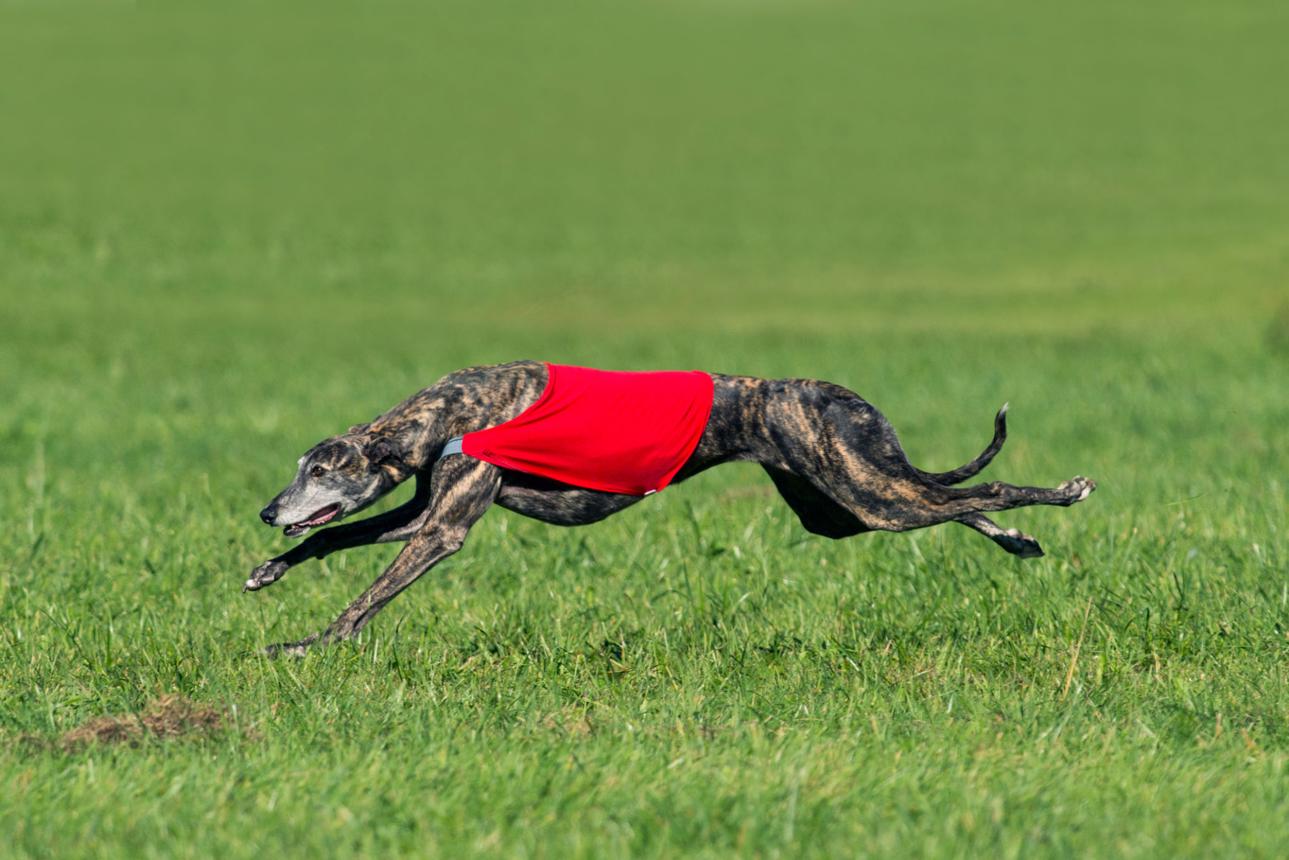
In modern lure coursing:
- A white plastic lure is attached to a line.
- A motor rapidly pulls the lure around a field.
- Dogs chase the lure over a course that simulates the unpredictable movements of prey.
- Judges evaluate the dogs on speed, agility, enthusiasm, and ability to follow the lure.
Breeds Best Known for Coursing
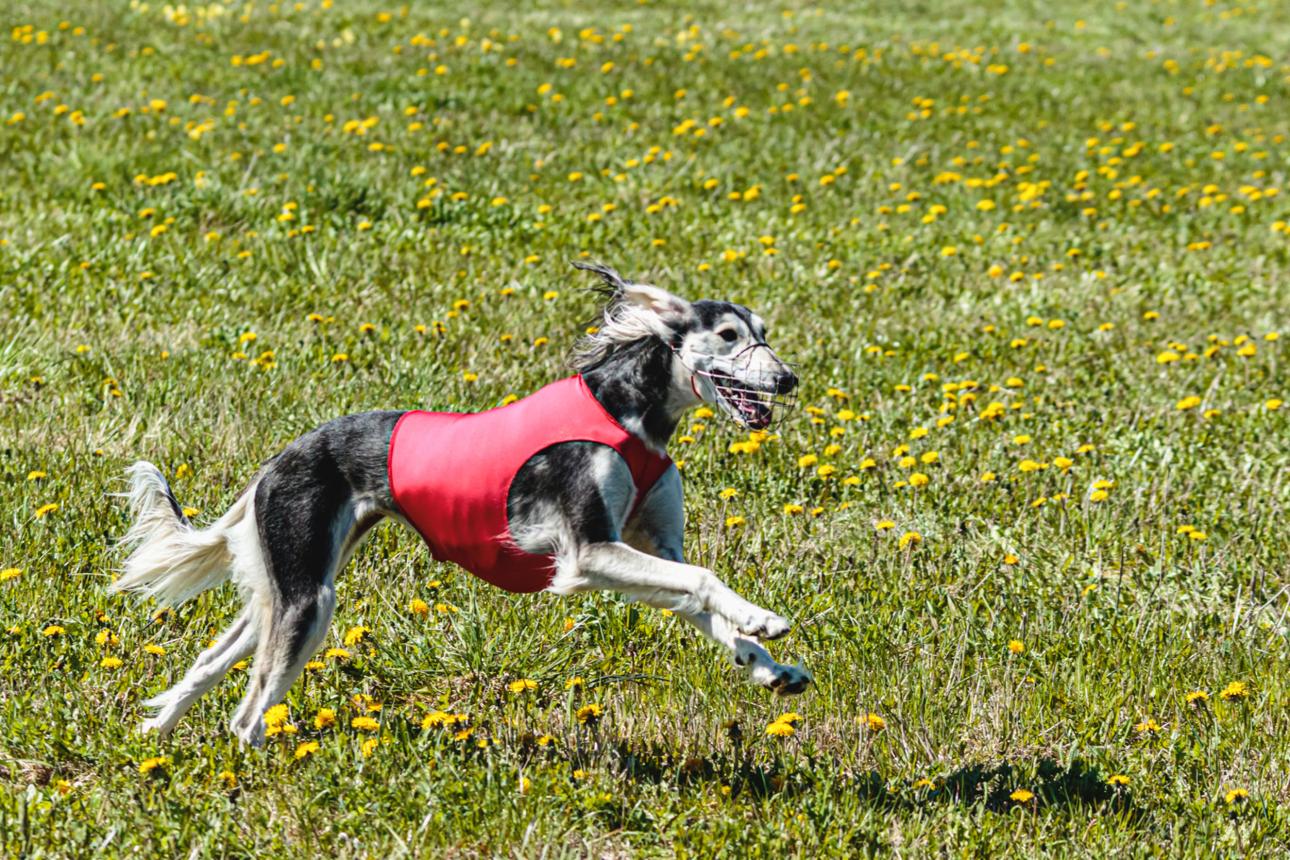
Coursing is most closely associated with sighthounds, a group of swift, agile dogs that hunt primarily by sight rather than by scent. Unlike scent hounds, which follow trails with their noses, sighthounds rely on keen vision, speed, and quick reflexes to spot and pursue moving prey across open ground. Breeds such as Greyhounds, Whippets, Salukis, and Afghan Hounds are classic examples of dogs historically used in this type of hunting.
Popular coursing breeds include:
- Greyhound
- Whippet
- Saluki
- Borzoi
- Afghan Hound
- Irish Wolfhound
Benefits of Coursing
Coursing offers a range of benefits, especially when practiced responsibly through organized and humane activities such as lure coursing. It provides dogs, particularly sighthounds and other energetic breeds, with an excellent outlet for their natural instincts to run, chase, and focus on movement. This kind of activity supports physical fitness by helping improve speed, endurance, coordination, and muscle tone.
In addition to physical exercise, coursing provides dogs with valuable mental stimulation. Following a moving lure or target encourages concentration, quick decision-making, and confidence. For many dogs, it can reduce boredom and help prevent unwanted behaviors that may develop when they do not receive enough activity or enrichment.
Coursing can also strengthen the bond between dog and handler. Training, preparing, and participating together builds trust and communication. Organized coursing events often provide a social environment where owners can meet other enthusiasts, learn more about their dogs’ abilities, and enjoy a shared sport in a structured setting.
When conducted safely and in accordance with local laws and animal welfare standards, coursing can be a rewarding activity that promotes exercise, discipline, enjoyment, and a deeper appreciation of a dog’s natural athletic ability.
Coursing provides:
- Excellent physical exercise
- Mental stimulation
- An outlet for natural prey drive
- Opportunities for competition and socialization
Many dogs become visibly excited when the lure begins to move, triggering their natural instinct to chase.
Lure Coursing vs. Fast CAT
People often confuse lure coursing with Fast CAT:
- Lure Coursing: Dogs navigate a winding course with turns and direction changes.
- Fast CAT: Dogs run a straight 100-yard dash chasing a lure.
Both sports are popular through organizations such as the American Kennel Club.
A Simple Way to Think About It
Imagine a dog chasing a fast-moving “mechanical rabbit” across a field. That’s essentially lure coursing—a safe, controlled way for dogs, especially sighthounds, to express the instincts they were bred for over centuries. 🐕💨
Coursing is the pursuit of game or other animals by dogs, primarily greyhounds and other sighthounds, who catch their prey by sprinting quickly and without using their sense of smell.
With sighthounds and lurchers, commoners, members of the nobility, landed gentry, and the rich could use this hunting tactic. The laws changed during the Carolingian period ( 800–888), and the hunting grounds were reserved for the king, the nobles, and other landowners. Commoners were excluded.
What Do Coursing Dogs Chase?
Hares, foxes, several species of deer, antelope, gazelles, jackals, and wolves are among the animals hunted for sport. The most frequently coursed animals in the United States are jackrabbits and coyotes. Two dogs compete against one another in coursing in Portugal, Spain, the UK (until its prohibition in 2004), and Ireland. Three dogs are typically run together in the United States.
Using dogs to hunt mammals—except rabbits and rats—was prohibited under the Protection of Wild Mammals (Scotland) Act and the Hunting Act 2004 in England and Wales. However, provided that no more than two dogs are used, it remains legal for dogs to flush game toward a waiting gun.
Dogs may be employed to hunt feral animals in Australia, including foxes, deer, goats, rabbits, and pigs.