
 Home
Home Store
StoreDog Eye Problems
Apr
There are several common dog eye problems that dogs may experience throughout their lives, and some can become serious if they are not treated promptly. A dog’s eyes are sensitive, and changes such as redness, cloudiness, swelling, discharge, squinting, or frequent pawing at the face may be signs that something is wrong. Because eye conditions can worsen quickly, it is always best to contact a veterinarian if you notice any unusual symptoms.
Some of the most common dog eye problems include:
Cataracts
Cataracts are a clouding of the normally clear lens inside a dog’s eye, which can interfere with the passage of light to the retina. As the lens becomes cloudy or opaque, a dog may begin to experience blurred vision, difficulty seeing in dim light, or trouble navigating familiar spaces. In more advanced cases, cataracts can lead to significant vision loss or even blindness if left untreated.
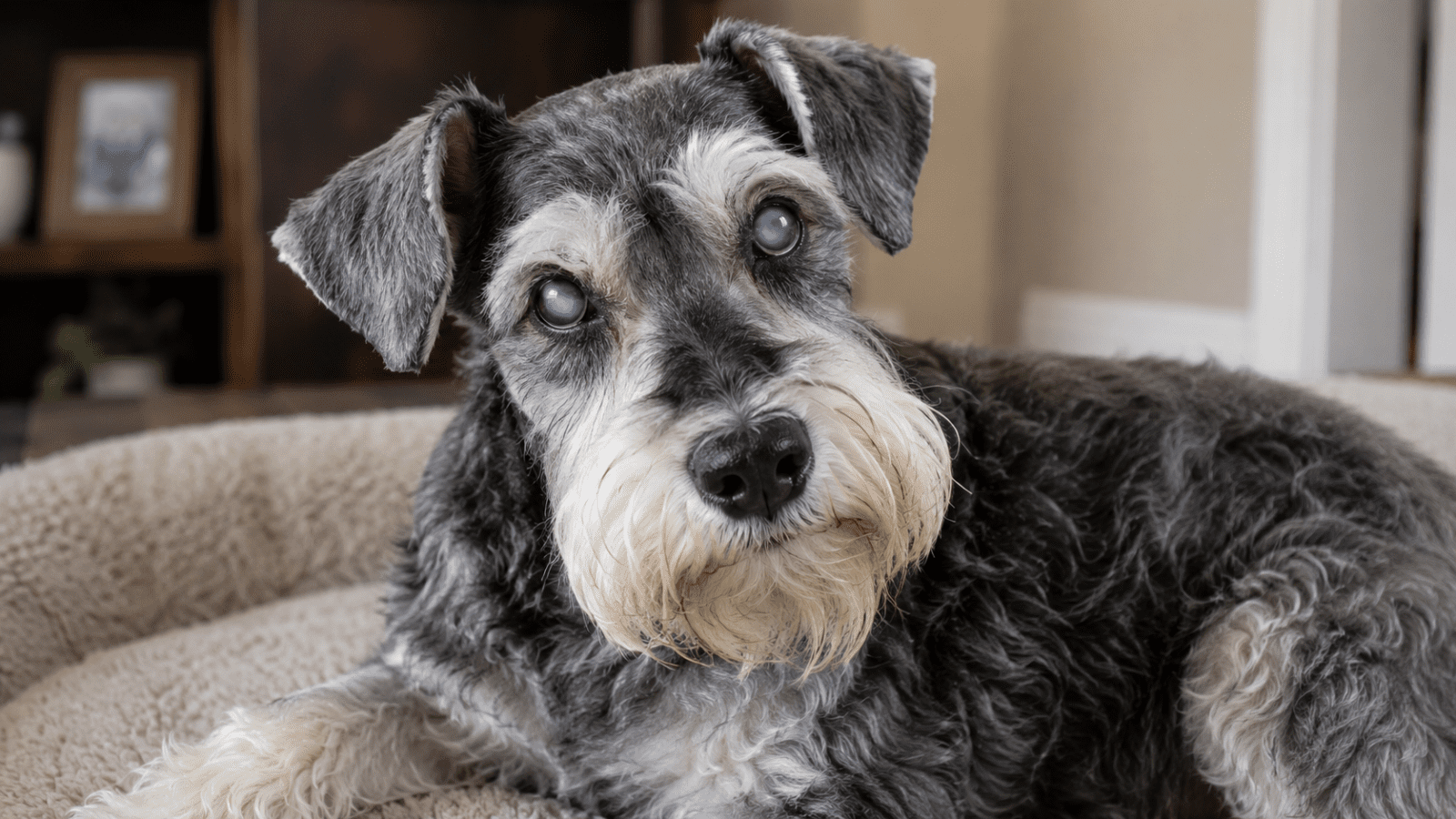
Genetics is one of the most common causes, with certain breeds being more prone to inherited cataracts. Diabetes is another major risk factor, as diabetic dogs can develop cataracts quickly due to changes in sugar levels within the lens. Eye trauma, inflammation, aging, or other underlying health conditions may also play a role. Because cataracts can progress over time, it is important for dog owners to seek veterinary care if they notice cloudiness in the eyes or changes in their dog’s vision.
Cherry Eye
This condition occurs when the gland of the third eyelid, also known as the nictitating membrane, becomes swollen, displaced, and visible. It often appears as a round, red or pink lump in the inner corner of the eye, giving it a “cherry-like” appearance. Cherry eye is most commonly seen in dogs, especially certain breeds, but it can occasionally affect cats as well.
The affected eye may look irritated, watery, or inflamed, and the pet may rub at it due to discomfort. Because this gland helps produce tears and protect the eye, prompt veterinary care is important to prevent dryness, infection, or long-term eye problems.
Conjunctivitis
Also known as pink eye, conjunctivitis is one of the dog eye problems that involves irritation, redness, and inflammation of the conjunctiva—the thin, delicate tissue that lines the inside of the eyelids and covers the sclera, or white part of the eye. When this membrane becomes inflamed, a dog’s eye may appear noticeably red or bloodshot, and the surrounding tissues may look swollen or irritated. Conjunctivitis can affect one eye or both eyes, depending on the underlying cause.
There are several possible causes of conjunctivitis in dogs, including environmental allergies, bacterial infections, viral infections, dry eye, foreign objects such as dust or grass seeds, eye trauma, or irritation from smoke, shampoos, or other chemicals. Allergic conjunctivitis may occur seasonally or after exposure to pollen, mold, or household allergens, while infectious conjunctivitis can sometimes spread between animals, especially in close-contact settings.
Common signs include excessive blinking, squinting, watery eyes, thick or yellow-green discharge, pawing at the face, and sensitivity to light. Some dogs may also rub their eyes against furniture or carpets to relieve discomfort.
Corneal problems
Dogs with prominent, “bug-like” eyes and short, flat noses, such as Pugs, Bulldogs, Shih-Tzus, Boston Terriers, and Pekingese, are more likely to develop corneal problems than many other breeds. These dogs are often described as brachycephalic, meaning they have a shortened skull and muzzle. Because of their facial structure, their eyes may sit more forward in the sockets and can be less protected by the eyelids and surrounding facial features.
As a result, the eye’s surface, especially the cornea, is more exposed to dust, hair, dryness, and accidental injury. Corneal problems in these breeds can range from mild abrasions or small scratches to more severe conditions, such as corneal ulcers, infections, or perforations. In some cases, the eyelids may not close completely during blinking or sleep, which can cause the cornea to dry out and become irritated.
Common signs of a corneal problem include squinting, redness, excessive tearing, pawing at the eye, cloudiness, discharge, or sensitivity to light. Because corneal injuries can worsen quickly and may threaten vision if left untreated, any dog showing signs of eye discomfort should be examined by a veterinarian as soon as possible.
Dry eye
Dry eye, also known as keratoconjunctivitis sicca (KCS), occurs when the tear glands do not produce enough tears or when the tears produced are of poor quality, leaving the eye’s surface improperly lubricated and protected.
Tears play an important role in maintaining eye health by washing away dust and debris, providing nutrients to the cornea, and creating a smooth surface for clear vision. When tear production is reduced, or the tear film evaporates too quickly, the eyes can become dry, gritty, red, and uncomfortable.
In mild cases, dry eye may cause occasional stinging, burning, or a sensation that something is trapped in the eye. In more severe cases, however, inadequate lubrication can lead to persistent irritation, inflammation of the conjunctiva and cornea, increased sensitivity to light, and blurred vision. If left untreated, severe KCS can damage the eye’s surface and may result in painful corneal ulcers, scarring, or secondary infections.
Entropion or Ectropion
Entropion or ectropion are eyelid problems that occur when the eyelid turns out of its normal position. With entropion, the eyelid rolls inward, causing the eyelashes and skin to rub against the eye’s surface. With ectropion, the eyelid droops or rolls outward, often leaving the eye exposed and preventing tears from spreading properly across the eye’s surface.
Both conditions can lead to redness, irritation, excessive tearing, dryness, a gritty or scratchy feeling, and sensitivity to light. If left untreated, they may damage the cornea, increase the risk of infection, and affect vision. These conditions are more common in older adults but can also result from injury, scarring, inflammation, or previous eye surgery. Treatment may include lubricating eye drops, protective ointments, temporary eyelid taping, or surgery to reposition the eyelid to a healthier position.
Exophthalmos
Bulging dog eyes, also known as exophthalmos or proptosis, are the abnormal protrusion of one or both eyes from the eye socket. This condition can make a dog’s eyes appear unusually prominent, swollen, or pushed forward, and it may be accompanied by redness, discomfort, excessive tearing, difficulty blinking, or changes in vision.

In dogs, bulging eyes can occur for several reasons, including trauma, infection, inflammation, tumors behind the eye, abscesses, or certain breed-related facial structures, especially in dogs with naturally shallow eye sockets such as Pugs, Shih Tzus, Boston Terriers, and French Bulldogs. Because exophthalmos may indicate a serious underlying problem and can threaten the dog’s eyesight, prompt veterinary evaluation is important.
Glaucoma
Glaucoma is a serious eye condition that occurs when intraocular pressure—the pressure inside the eye—increases to an unhealthy level. When this pressure builds up, it can interfere with the normal function of the eye and place strain on the optic nerve, the structure responsible for sending visual information from the eye to the brain. If glaucoma is not recognized and treated promptly, this pressure can cause permanent optic nerve damage and may eventually lead to partial or complete vision loss.
This condition is most commonly seen in older dogs, although it can affect dogs of different ages depending on the underlying cause. Some dogs develop glaucoma because of inherited or genetic factors, making certain breeds more prone to the condition. In other cases, glaucoma may result from another eye problem or health issue, such as inflammation, injury, lens displacement, tumors, or complications from cataracts.
Early diagnosis and proper treatment can help reduce pain, protect remaining vision, and improve a dog’s overall comfort and quality of life.
Progressive Retinal Atrophy
This inherited eye condition affects the retina, the light-sensitive tissue at the back of the eye that helps process vision. Over time, retinal cells deteriorate, leading to a slow, progressive loss of sight.
One of the earliest signs is often difficulty seeing in dim light or at night, followed by reduced peripheral vision and, in advanced stages, possible blindness. Because the condition is genetic, regular veterinary eye examinations and responsible breeding practices are important for early detection and prevention.